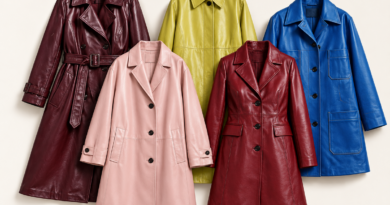
Luxury labels face sharper price resistance as consumers compare quality, resale and cost per wear
A few years ago, a luxury purchase could still feel like a private celebration. A promotion. A new city. A birthday that mattered. You walked into a boutique, felt the weight of a bag on your shoulder, and decided with your senses as much as your spreadsheet.
Today, even loyal clients pause. Not because they have stopped loving craft or design, but because the numbers have started to speak louder. A luxury price increase is no longer a rare event. It has become a rhythm. And as designer inflation ripples through leather goods, ready to wear, and jewelry, shoppers are responding with a new kind of discipline. They are comparing quality more closely, checking resale value, and calculating cost per wear with the seriousness once reserved for flights or rent.
This is what sharper price resistance looks like. It is not a rejection of luxury. It is a demand that luxury earns its place again.
Why luxury price resistance is rising now
Price growth used to be explained as exclusivity. Now, it is explained as input costs, currency swings, store investments, and brand heat. Some of these reasons are real. Yet the lived experience for consumers is simpler. Many products feel as though they have crossed an emotional threshold.
A luxury price increase can be acceptable when it comes with clear signals of value. Better materials. More careful finishing. A stronger design point of view. Or a brand story that feels credible and current. But when prices move and quality feels flat, trust weakens.
This is not only about wealth levels. Even high earners are asking new questions because alternatives have become easier to compare. Resale platforms, social media reviews, and creator led quality inspections have made the market more transparent. The romance is still there, but it is now paired with evidence.
As Coco Chanel is often quoted, “The best things in life are free. The second best are very expensive.”
In 2026, many shoppers quietly add a third line. The second best must also be worth it.
The new value equation: quality, resale, and cost per wear
Luxury has always been emotional. But the purchasing logic is becoming more analytical, especially among younger buyers and cautious older ones. Three measures show up again and again.
Quality is being audited, not assumed
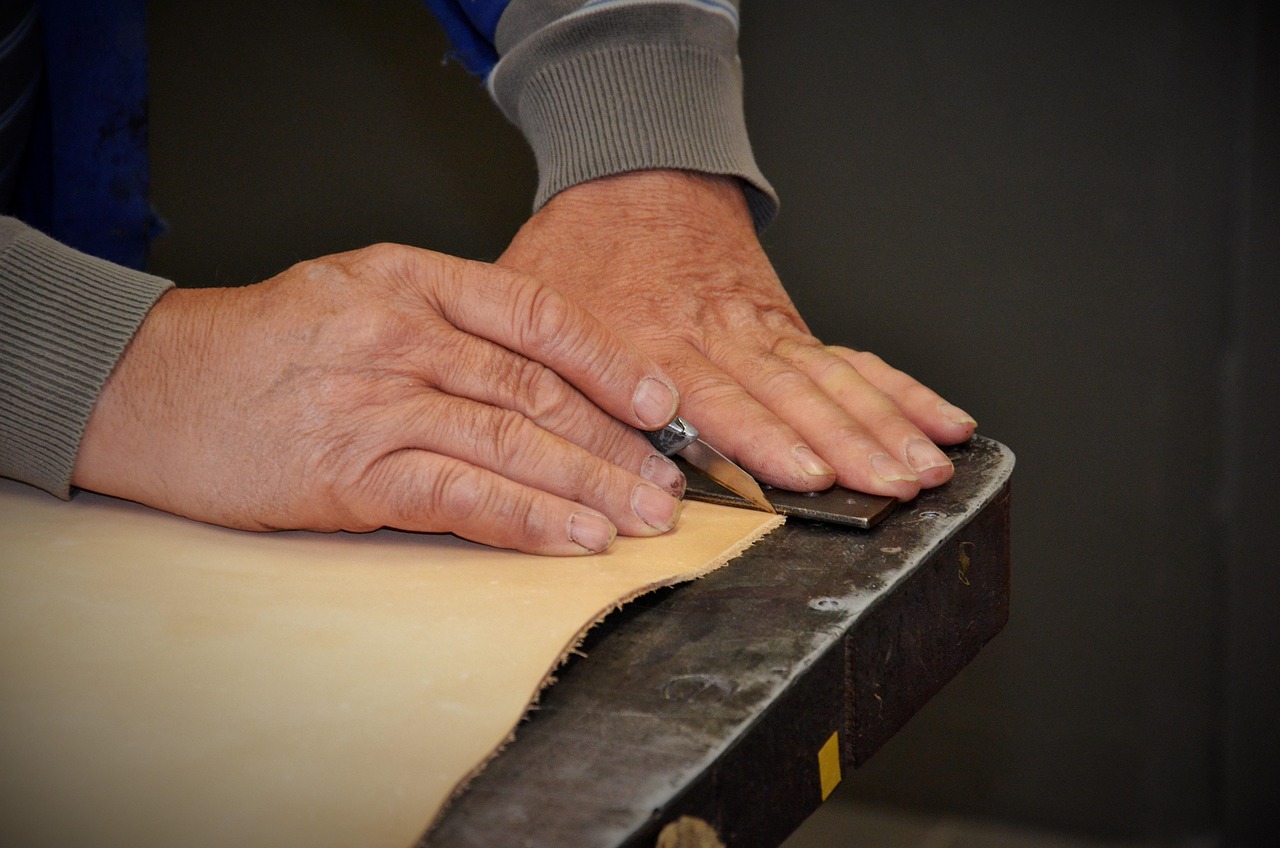
Consumers are looking beyond logos and heritage. They check stitching, leather treatment, lining construction, plating quality, and how a piece ages after six months. They read about durability, not just desirability.
This is why “quiet luxury” took hold and then evolved. It was not only about minimal branding. It was about a desire for pieces that look and feel expensive over time, not only on day one.
Resale is now part of the first purchase decision
Resale was once an afterthought. Now it is a planning tool. Shoppers ask, “If I change my mind, how much can I recover?” That question changes everything.
A brand with strong resale performance signals steady demand and perceived durability. It also reduces the psychological risk of a purchase. In a period of designer inflation, resale becomes a form of insurance.
Cost per wear turns luxury into a lifestyle decision
Cost per wear sounds clinical, but it is deeply personal. It asks whether an item will live in your real life.
A bag that fits your laptop, a coat that works across seasons, or earrings you can wear to work and weddings can justify a higher entry price. The same price feels painful when the item is too delicate, too trendy, or too hard to style.
For many consumers seeking the best luxury value, cost per wear is the bridge between desire and responsibility.
What is changing in shopper behavior
Price resistance is not only “buy less”. It is “buy differently”. Several patterns stand out globally.
Shoppers are delaying purchases and testing brands longer
People are waiting for milestones rather than impulse. They also spend more time watching how a product performs on others. This is especially true for leather goods and shoes, where wear and tear shows quickly.
They are trading down within luxury, not leaving entirely
Many consumers still want a luxury experience, but they choose smaller leather goods, fragrance, eyewear, or entry jewelry instead of top tier bags or full runway looks. This protects the emotional part of luxury while reducing financial exposure.
They are mixing new, vintage, and resale
A first time buyer may purchase a pre owned bag to test the brand, then buy new later if the experience feels justified. Others do the opposite, buying new but planning to rotate through resale to fund future purchases.
They are less impressed by volume and more impressed by coherence
A closet with ten logo items is less aspirational than a wardrobe of six pieces that work together and last. People want fewer decisions in the morning and fewer regrets at night.
How brands are responding across leather goods, ready to wear, and jewelry
Luxury houses can see the resistance. They are adjusting, but not all responses will feel equal to consumers. Broadly, strategies fall into three buckets: entry products, higher tier storytelling, and clienteling.
Entry products that protect aspiration without breaking budgets
Entry products are not new. What is new is how strategic they have become under designer inflation. Brands want to keep younger and middle income consumers within reach without lowering the prestige of the main line.
In leather goods, this can mean:
- Small wallets, card holders, cosmetic pouches, and mini bags
- More canvas and coated materials alongside leather
- Seasonal colors that refresh demand without redesigning the core item
In ready to wear, it can mean:
- Elevated basics such as shirts, knitwear, and tailored trousers
- Versatile outerwear that carries the brand identity but stays wearable
In jewelry, it often means:
- Slim gold pieces, small hoops, delicate pendants
- Charm concepts that invite collecting over time
A few known brands illustrate the spectrum. Louis Vuitton has long balanced iconic canvas with premium leather lines. Gucci has used accessories and fashion jewelry to keep entry points active even when major categories fluctuate. Tiffany, now under LVMH, has leaned into both everyday pieces and higher jewelry storytelling to serve different budgets without merging them.
The risk is clear. If entry products feel like compromises, shoppers notice. If they feel intentional, they can deliver the best luxury value and build long term loyalty.
Higher tier storytelling to justify higher prices
When a luxury price increase becomes frequent, brands must offer more than scarcity. They must offer meaning.
That meaning can be:
- Craft: specific workshops, techniques, time to make, traceable materials
- Design integrity: fewer trends, more signature silhouettes
- Cultural relevance: collaborations that feel selective and intelligent
- Heritage without nostalgia: history framed as a living practice
Hermès remains a reference point because its narrative is tightly linked to craft capacity and controlled supply. Chanel continues to position price rises within an image of Parisian codes and atelier work, although consumers increasingly compare those claims with tangible product details.
Storytelling works when it clarifies why something costs what it costs. It fails when it feels like a speech written to distract from quality questions.
Clienteling becomes a service promise, not just a sales tool
In periods of price resistance, service is part of value. Personalized clienteling can soften the shock of designer inflation, but only if it is sincere.
The best clienteling today looks like:
- Honest guidance on fit, care, and longevity
- Styling suggestions based on the customer’s real calendar
- Access to repairs, cleaning advice, and after sales support
- Long term relationship building, not pressure tactics
For a customer, the difference is emotional. A luxury purchase is vulnerable. It can feel indulgent. Good service makes the decision feel grounded, not impulsive.
Practical ways consumers can judge best luxury value
You do not need to become a professional authenticator to shop smarter. A few habits can help you navigate a luxury price increase without losing joy.
- Will I wear this at least 30 times in the next year
- Does it work with at least three outfits I already own
- Do I like it without the brand name visible
- Do I understand how to care for it
- Is the quality still there when I look closely at seams and hardware
Check resale signals early
Look at completed sales, not only listings. Compare condition and year. If resale value collapses quickly, ask why. Sometimes it is trend fatigue. Sometimes it is durability.
Ask for repair and care guidance in store
A confident brand and confident sales associate can explain care, warranty, and repair paths. This is especially important for bags, shoes, and plated jewelry.
Choose pieces that match your real life, not your fantasy life
If you travel often, think about weight, scratches, rain, and security. If you work in a formal setting, think about repeat wear and comfort. Cost per wear becomes easier when the piece fits your routine.
Consider a “one in, one out” rule
It keeps closets coherent and helps you fund upgrades through resale. It also encourages thoughtful buying, which is the opposite of regret.
What this shift means for the luxury market
Luxury labels are unlikely to stop raising prices entirely. But the era of easy increases with minimal scrutiny is fading. Consumers have learned to compare across brands and categories, and across time. They remember what things cost two years ago. They also remember how an item held up.
This creates pressure and opportunity. Pressure for brands that relied on momentum. Opportunity for brands that can prove quality, protect resale value, and build products meant to be worn, not stored.
The most important change is emotional. Luxury is returning to its older promise. Not only status, but permanence. Not only novelty, but relationship.
Takeaway from Hayenne
Price resistance is not a collapse of desire. It is a maturing of it. In a world shaped by designer inflation, shoppers are asking luxury to be accountable to real life. They want beauty that lasts, service that supports, and pricing that feels anchored in substance.
If you are buying, choose pieces that will witness your life, not just your social feed. If you are selling, build value that can survive comparison. The future of luxury will belong to the labels that can defend a luxury price increase with honest quality, credible resale strength, and cost per wear that makes sense on a quiet Tuesday as much as on a big night.