
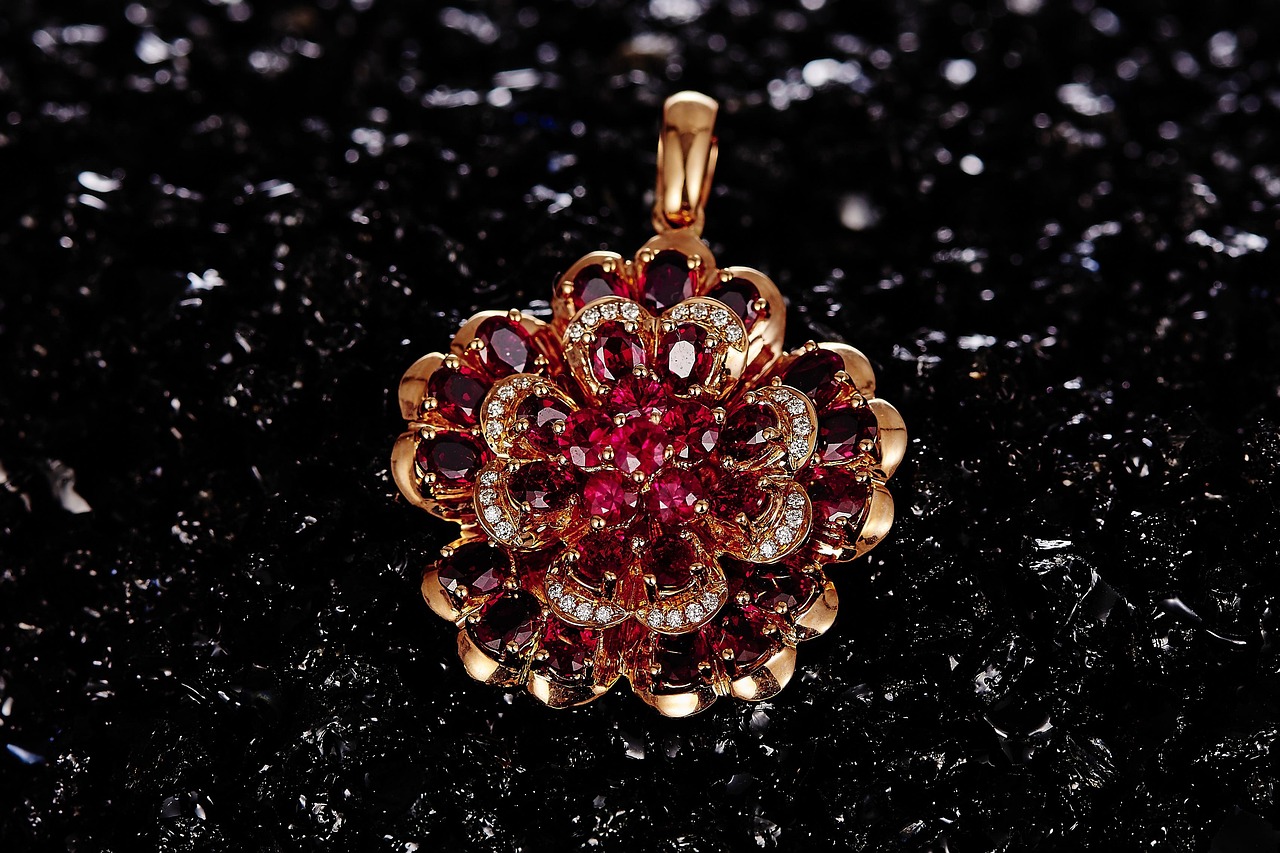
Estate jewelry is becoming the smart way to buy rarity as collectors chase provenance and craftsmanship
In a world where so much looks new and identical, collectors are quietly moving in the opposite direction. They are choosing pieces that already lived a life. A ring that witnessed a wedding. A brooch that sat on a jacket for decades. A watch that marked ordinary mornings and major promotions. This is the emotional pull behind estate jewelry, and it is also why it is becoming one of the most rational ways to buy rarity today.
The shift is not only about taste. It is about value, access, and trust. As prices for new luxury rise and waiting lists grow longer, buyers across income levels are learning that vintage jewelry and estate jewelry can offer something that modern production often cannot. Deep craftsmanship, scarce materials, and a story you can verify if you know how to look.
Collectors call it provenance. Dealers call it condition. Auction houses call it category growth. For the buyer, it is simpler. Estate jewelry can feel like a smarter purchase because you are paying for substance rather than hype, and because the supply of truly exceptional pieces is finite.
Why estate jewelry is gaining momentum now
There are market reasons and human reasons. The market is responding to the same forces seen in art, design, and even classic cars. Scarcity is real. Craft skill is harder to replicate at scale. And social proof travels fast online, especially when a piece is distinctive.
The human reasons matter just as much. Many buyers are tired of disposable fashion signals. They want objects that hold meaning and last. A well chosen piece of vintage jewelry can become a personal signature. It can also become a family asset, passed down with a clear story rather than a vague memory of a store receipt.
Coco Chanel is often credited with saying that fashion changes but style remains. Estate jewelry sits comfortably in that idea. It offers style that already proved it can endure.
Rarity is not only about price, it is about what cannot be remade
When people say they want rarity, they often mean something different from expensive. Rarity can be a discontinued cut of stone, a hand built setting, a technique that is no longer common, or a design language tied to a period. A mid century gold link bracelet. An Art Deco ring with sharp geometry. A Victorian locket with hand engraved initials.
Estate jewelry is full of these details because it comes from time periods with different standards and different economics. A workshop might have spent hours on a clasp that would be simplified today. A gemstone might have been cut for candlelight rather than spotlights. You can still wear it, but you are also wearing a design decision from another era.
Common sources of real rarity in vintage jewelry
- Old mine and old European diamond cuts with a softer, deeper sparkle
- Hand engraved metalwork and fine milgrain edges
- Natural pearls and antique enamel details
- Signed jewelry from major maisons and respected workshops
- Limited production pieces tied to a specific collection or patron
Some of the most desired signed jewelry comes from names that still anchor modern luxury. Cartier, Van Cleef and Arpels, Bulgari, Tiffany and Co, and Harry Winston appear regularly in auctions and private sales. They are not mentioned because they are fashionable. They are mentioned because their archives help authenticate what you are buying, and because the market recognizes their workmanship across generations.
How collectors read hallmarks, period details, and condition
Buying estate jewelry well is not about memorizing trivia. It is about building a simple habit of inspection. Collectors learn to read what the piece is telling them, starting with marks and ending with wear. This is where middle class buyers and UHNWI collectors often follow the same steps. The difference is budget, not discipline.
Hallmarks and signatures that help confirm identity
Hallmarks can indicate metal purity, country of origin, and sometimes the maker. On signed jewelry, you may also see a brand signature, a serial number, and workshop marks. These clues can be reassuring, but they need context. Counterfeits exist, and genuine pieces can also be altered over time.
Start with a magnifier and good light. Look for consistent stamping and clean letter forms. Compare placement with known references. If the marks look shallow, uneven, or oddly placed, ask why. It may be wear, or it may be a warning.
Period details that signal true vintage jewelry
Vintage jewelry is often recognizable by its construction. Older settings can show hand cut prongs, specific gallery shapes, and metal choices typical of a period. For example, Art Deco pieces often combine platinum with strong symmetry. Retro era pieces can show bold gold volume and large curves. Mid century work can feel architectural and clean.
Do not chase a period label as a status badge. Use it as a tool. If a seller claims a piece is from a certain era, the construction should support that claim.
Condition, the quiet factor that drives long term value
Condition is where smart buying happens. A piece can be rare and still be a poor purchase if it has hidden repairs, missing stones, or weak settings that will cost more to fix than expected. On the other hand, normal wear can be acceptable, even charming, if it is stable and disclosed.
Ask direct questions, and expect direct answers. Has it been resized. Are stones original. Any replaced parts. Are clasps secure. Are there cracks in enamel. Has the piece been polished heavily. Does it come with a lab report or prior appraisal.
Auction dynamics and private sales, what buyers should know
The estate jewelry market is shaped by two major channels. Auctions provide public price discovery and an editorial spotlight. Private sales offer discretion and often better continuity of service. Both channels can work well. Both can also reward preparation and punish impulsive bidding.
How auctions create momentum and sometimes overheat prices
Auction houses have become skilled storytellers. A strong estimate, a glossy catalogue, and a mention of provenance can lift prices quickly. Global bidding means demand can arrive from anywhere, and a single determined buyer can reset a category overnight.
For collectors, auctions can be useful because they show what the market is paying now. They can also create emotional pressure. You are bidding against time, competition, and your own desire to win.
Practical auction tips for first time and seasoned buyers
- Set your maximum bid before you fall in love during the live sale
- Include buyer premium, taxes, shipping, and potential service costs
- Request condition reports and extra photos, then read them carefully
- Attend previews when possible, or ask for a video inspection
- Bid on quality and documentation, not only on size of stone
Private sales operate differently. The pricing can be firmer, but the experience may be calmer. Dealers who specialize in estate jewelry often build long relationships. A good dealer learns your style and can alert you when the right piece arrives, sometimes before it ever becomes public.
Why provenance and craftsmanship have become a wealth signal
There is a subtle cultural change underway. For decades, luxury was often about newness and recognisable logos. Now, a growing segment of buyers signals discernment through knowledge. They talk about period, maker, and materials. They ask about restoration. They want signed jewelry not as a badge, but as evidence of workmanship.
This is a quieter kind of confidence. It suggests that the wearer values longevity and meaning. It also aligns with a broader shift toward responsible consumption, because estate jewelry extends the life of existing objects rather than demanding new extraction and production.
As the philosopher Walter Benjamin wrote about art, the aura of an object can matter as much as its appearance. In jewelry, that aura often comes from provenance, and from the hands that made it.
Practical guidance for every budget, from first purchase to serious collecting
Estate jewelry is not only for collectors with large vaults. It can start with a single piece that fits your life now and still holds value later. The goal is to buy with clarity.
For middle class buyers who want value and meaning
- Choose one category to learn first, such as gold hoops, signet rings, or pearl strands
- Prioritise condition and comfort, because you should wear the piece often
- Ask for basic documentation, even a detailed receipt and photos can help later
- Consider smaller signed jewelry items, like a pendant or scarf ring, which can be more accessible
- Budget for resizing, clasp repair, and insurance from the beginning
For UHNWI collectors focused on rarity and long term value
- Buy the best example within a specific theme, such as Art Deco diamond clips or iconic maison motifs
- Focus on provenance, including prior ownership records and archival confirmations
- Use independent experts for verification, especially for high value signed jewelry
- Balance auctions with private sales to avoid paying only peak public prices
- Document everything, including high resolution images, lab reports, and service history
Across all budgets, one principle holds. If you cannot explain why a piece is special in two clear sentences, you may be buying the mood of the moment rather than the object itself.
How to wear estate jewelry in a modern way
One reason vintage jewelry is thriving is that styling has become more personal. People mix old and new with confidence. A Victorian ring can sit next to a modern band. An Art Deco bracelet can be worn with a simple white shirt. A signed jewelry brooch can be pinned on a coat or even on a knit scarf.
The most modern approach is not to build a costume around the piece. It is to let one item carry the story. Estate jewelry works when it feels chosen, not displayed.
The smart case for estate jewelry, value, access, and emotional return
The rational argument is strong. You may gain access to higher craftsmanship for the same budget. You may avoid some of the immediate depreciation that can come with buying new. You may also buy into categories where demand is rising, especially for well documented vintage jewelry and signed jewelry in excellent condition.
The emotional argument is stronger. Estate jewelry often arrives with a sense of continuity. It reminds us that taste can be inherited, even when money is not. It can mark a milestone with more depth than something freshly produced, because it already carries time inside it.
Takeaway from Hayenne
Estate jewelry is becoming the smart way to buy rarity because it offers what modern luxury sometimes struggles to provide. Proof of craftsmanship, a finite supply, and a story that can be traced through hallmarks and provenance. If you learn to read period details and condition, and if you understand how auctions and private sales shape pricing, you can buy with confidence at almost any budget. The rarest part is not only the piece itself. It is the feeling that you chose something made to last, and that your own life will now become part of its history.


