
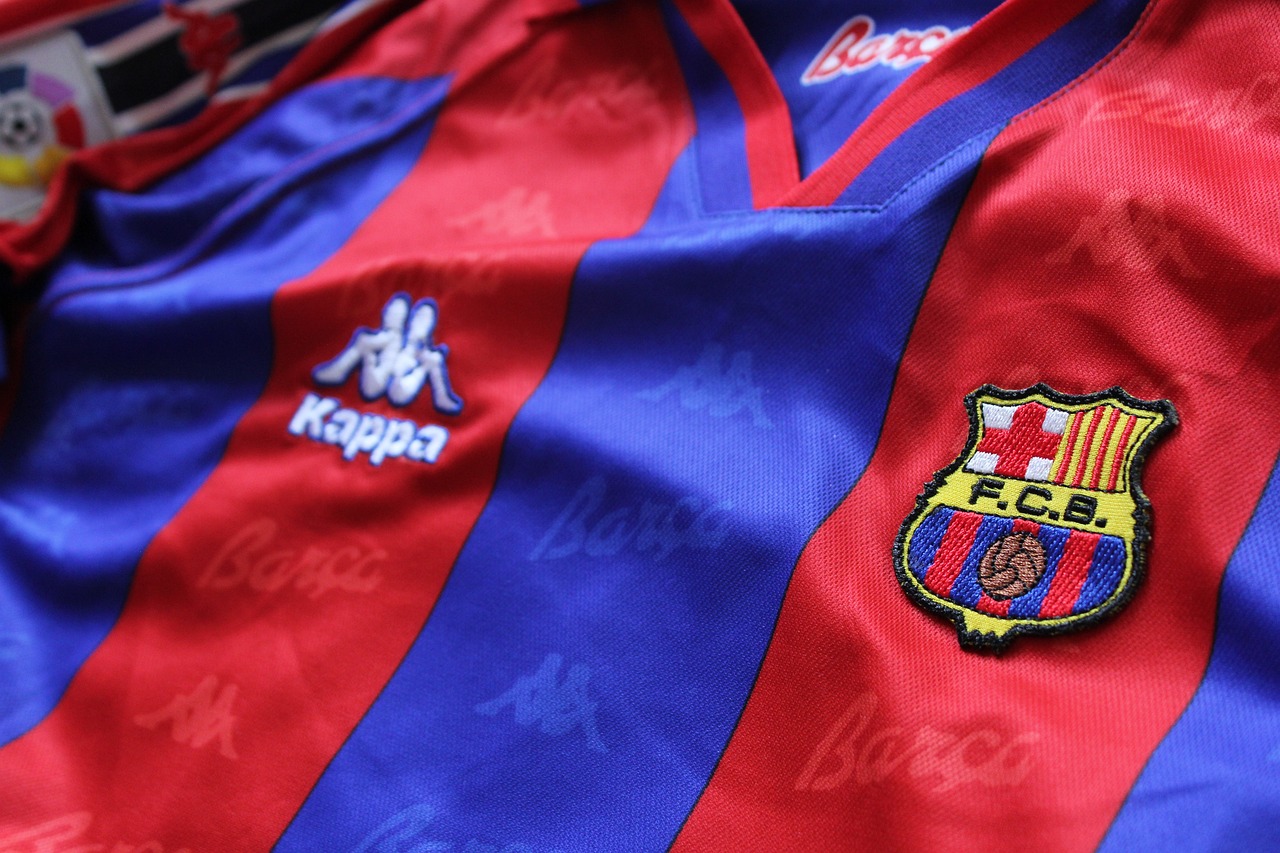
Football shirts are becoming mainstream streetwear as clubs brands and artists compete for cultural heat
Not long ago, a football shirt belonged to one place. The stadium. The sofa. The five a side pitch after work. You wore it when you wanted to be counted, when you wanted to signal allegiance, when you wanted to remember a season that still lives in your body.
Now the same shirt turns up in cafés, galleries, airports, and office lifts. It is worn with wide leg denim, under a wool overcoat, or with a crisp pleated trouser and clean sneakers. What changed is not only taste. It is economics, music styling, and a new kind of identity making, where sport and culture feed each other in public.
This is why football shirts are becoming mainstream streetwear. Clubs want new revenue beyond match day. Brands want credibility in youth culture. Artists want symbolism that reads instantly on camera. The result is a global race for cultural heat, with football shirts fashion moving from fan uniform to everyday wardrobe.
Why football shirts fashion suddenly feels like the right language
Streetwear has always rewarded items that carry meaning without explanation. A football shirt does that in one glance. It can say where you are from, who raised you, what you miss, or what you aspire to. It can also say nothing literal at all, and still look strong because the graphic design is bold, the colours are confident, and the silhouette is easy.
There is also an emotional reason. A kit is memory made wearable. Many people can recall a specific year by the texture of a sponsor print or the way a collar sat on their neck. As the writer Joan Didion once wrote, “We tell ourselves stories in order to live.” In 2026 street style, the football shirt is one of the simplest stories you can wear.
The shift is global. In Lagos and London, São Paulo and Seoul, Casablanca and Copenhagen, the football top has become a social shortcut. It sits comfortably inside the wider rise of soccer jersey streetwear, where sport pieces are treated like fashion staples, not costumes.
From match day only to everyday style
For decades, the problem was not the shirt. It was the context. A full kit look reads like a joke outside the stadium. But a single shirt, styled with restraint, reads like confidence. That is the key movement in the trend. The shirt is no longer an outfit. It is one ingredient.
Today’s mainstream styling also benefits from changing fits. Many modern shirts are slightly boxier, with better drape. Meanwhile, the market for retro kits keeps growing, and older silhouettes often look more relaxed and more natural with everyday clothes. When you see someone wearing a 1990s style shirt with denim and a simple watch, it feels less like fandom and more like taste.
How music and image making pushed soccer jersey streetwear into the spotlight
If you want to understand why this trend accelerated, look at music styling. Artists and stylists have learned that football shirts deliver three things at once. Colour. Identity. Reach. A single image can travel across borders because football culture already does.
In music videos, backstage photos, and street paparazzi shots, the football shirt works like a flag. It can signal community, nostalgia, or rebellion without needing a long explanation. It is also camera friendly. Strong typography, crests, and sponsors create visual texture that reads well on screens, which matters in a world where many outfits are consumed through a phone.
This is not only about aesthetics. It is about attention. When an artist wears a shirt from a club that is not in their home city, it creates conversation. People ask why. They search the shirt. They share it. That is cultural heat turning into measurable demand.
The collaboration economy behind the new kits
Football has always been commercial, but the current moment is more sophisticated. Clubs are not only selling to supporters. They are selling to a broader fashion customer who may not know the league table but knows what looks good. That changes design decisions, launch strategies, and partnerships.
Sportswear giants like Nike, adidas, and PUMA still anchor the space. But the energy often comes from limited drops, special editions, and lifestyle campaigns that look closer to fashion than sport. Sometimes a club kit launch now resembles a streetwear release, with scarcity, storytelling, and cultural placement.
A few known brands have helped normalise this crossover beyond pure performance wear. You might see a football shirt styled with Levi’s denim, a Uniqlo outer layer, or even a tailored coat from a house like Burberry. The point is not that one brand “wins.” The point is that the shirt has become compatible with the rest of the wardrobe, including items associated with classic menswear and contemporary minimalism.
Why clubs and brands are competing for cultural heat
- New audiences because streetwear buyers are not always traditional fans, but they are willing to pay for design and story.
- Global distribution because a shirt can trend worldwide in hours through social media.
- Higher frequency because lifestyle wear happens weekly, not only on match day.
- Longer product life because retro kits and reissues keep older designs profitable.
Why retro kits feel more than nostalgic
Retro kits are not only about looking back. They are also about stability. In a fast, uncertain world, an older badge, an older sponsor, or a classic colourway can feel like something you can hold. Even if you did not live through that era, you can borrow its calm certainty.
There is also a design argument. Many older shirts used simpler layouts and heavier fabric, which can feel more “fashion” today. They layer well. They look good slightly oversized. They often avoid the ultra technical shine of some modern performance fabrics, which makes them easier to blend with denim, wool, and cotton.
This is why retro kits have become a core keyword in the market, not a niche collector interest. They carry emotional value and style flexibility at the same time.
A global guide to wearing football shirts with tailoring, denim, and sneakers
The goal is simple. Make the shirt feel intentional, not accidental. If you style it like match day only, it will read that way. If you treat it like a graphic knit or a casual shirt, it becomes streetwear.
With tailoring, how to make it look sharp
Pairing a football shirt with tailoring works best when you keep the palette calm and the shapes clean. Think of the shirt as the loudest element, and let the rest support it.
- Wear a neutral blazer or long wool coat over the shirt, in navy, charcoal, or camel.
- Choose pleated trousers or straight leg trousers, not skinny fits.
- Keep shoes simple, such as white leather sneakers or black loafers.
- If the shirt is bright, repeat one small colour from it in socks or a cap, not everywhere.
With denim, how to keep it effortless
This is the most natural entry point for soccer jersey streetwear. Denim balances the graphic nature of the shirt and makes the outfit feel lived in.
- Choose mid blue or black denim with a straight or relaxed fit.
- Tuck the front slightly if the shirt is long, so the waistline is defined.
- Add a simple jacket, like a denim jacket, bomber, or a clean trench coat.
- Avoid heavy distressing if the shirt is already busy.
With sneakers, how to avoid looking like you are heading to training
Sneakers can push the look into sporty territory fast. The trick is to choose pairs that look lifestyle first, not performance first.
- Pick classic low profile sneakers in white, grey, or black.
- Match the sock colour to your trousers, not to the shirt, for a cleaner line.
- Keep accessories minimal, such as a watch, a small chain, or a simple tote.
Buying smart, how to choose a shirt you will actually wear
If football shirts fashion is becoming mainstream, it also means the market is crowded. A good choice is not about the most famous club. It is about fit, colour, and emotional connection. The best shirt is the one you will reach for on an ordinary day.
A practical checklist
- Fit slightly relaxed works best for streetwear. If you are between sizes, size up.
- Fabric look for a finish that does not look too shiny if you want versatility.
- Colour if you are new to the trend, start with a mostly neutral kit or a classic stripe.
- Details collars, subtle patterning, and clean sponsor placement often style more easily.
- Meaning pick a club, country, or era that connects to you, even in a small way.
There is a quieter benefit to buying with meaning. When a shirt carries a personal story, you wear it with more ease. And ease is what separates style from costume.
What this trend says about identity, belonging, and modern status
In previous decades, status in fashion often meant distance. The more exclusive the item, the harder it was for others to access. Football shirts work differently. Their power comes from closeness. They imply a crowd, a chant, a shared language. They do not separate you from people. They place you among them.
That is why clubs, brands, and artists are competing for cultural heat. Culture is the new currency, and football is one of the most global cultural systems on earth. When you wear a shirt in the street, you are not only wearing colours. You are wearing a network of meaning.
As philosopher Alain de Botton has noted in a different context, we often look to culture to help us “feel less alone.” A football shirt can do that in a surprisingly direct way. A nod from a stranger. A small conversation. A recognition that travels across languages.
Takeaway from Hayenne
Football shirts are becoming mainstream streetwear because they solve a modern problem. They let us dress with emotion and clarity at the same time. They hold memory, community, and design in one wearable object. In a collaboration economy, clubs and brands will keep chasing cultural heat, and artists will keep using kits as symbols that travel fast.
If you want to take part without looking like it is match day only, treat the shirt like a statement layer. Pair it with tailoring, denim, and clean sneakers. Choose a fit that feels relaxed. Pick a shirt that means something to you, even quietly. The best streetwear is never only about clothes. It is about the life you want to feel inside them.


