
Budapest Emerges as a New Fashion and Culture Powerhouse
To understand Budapest’s rise as a global cultural and fashion capital in 2026, we must first trace the city’s deep and unique history, a tale of empires, artistic revolutions, and reinvention.
From River City to Cultural Crossroads
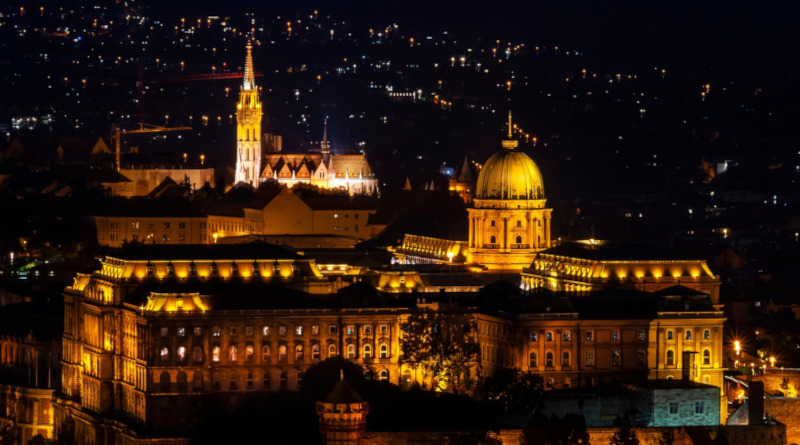
Perched on the mighty Danube, Budapest was forged from the ancient settlements of Buda and Pest, which officially united in 1873. This fusion ignited a period of rapid cultural growth that would give the world architectural marvels like the Hungarian Parliament, the Buda Castle, and ornate Art Nouveau façades, symbols of a city eager to claim its place on Europe’s great cultural map. By the early 20th century, Budapest was already a bohemian heartland, attracting writers, musicians, and thinkers. Its coffeehouses buzzed with intellectual debate, and its concert halls, where composers like Bartók and Kodály once performed, became stages for rich musical traditions that live on today. Yet history’s tumults, from world wars to political upheavals, could not silence Budapest’s creative pulse. Instead, they imbued the city with a resilient spirit, a blend of old-world grandeur and modern ambition that continues to shape its cultural identity.
The Seeds of a Creative Renaissance
In the early 2000s, Budapest began reclaiming its artistic legacy with renewed vigor. In 2015, UNESCO named Budapest a City of Design, recognizing its potent blend of visual arts, architecture, and creative industries, a designation that would lay the groundwork for the city’s future as a cultural nexus. This momentum ignited a series of initiatives that showcased Hungarian talent and connected Budapest to the global creative community. Among them, Budapest Design Week, now one of the largest annual creative industry festivals in Central Europe, presents hundreds of events celebrating contemporary design, visual culture, and new creative voices from across Hungary and beyond. Perhaps the most striking chapter in Budapest’s modern stylistic evolution is the rise of Budapest Central European Fashion Week. Since its inception in 2018, it has transformed from a regional showcase into a signature creative platform that unites designers, media, buyers, and enthusiasts from across Europe and the world.
Fashion Week as a Cultural Engine
Held in historic and iconic venues from the Castle Garden Bazaar to Millenáris, Budapest Central European Fashion Week has become a vital force in shaping Budapest’s cultural economy. It introduces hundreds of designers to international audiences, amplifies sustainability and innovation conversations, and integrates fashion into the broader urban experience through workshops, panels, and immersive events. What once drew thousands now attracts tens of thousands, with global press and creative professionals attending from Tokyo to Toronto. This cross-continental buzz has helped reposition Budapest alongside traditional fashion capitals, not as a follower but as a forward-thinking hub where history meets haute creation.
Youth, Education, and Innovation
At the heart of this renaissance is a new generation of creators nurtured by institutions like the Moholy-Nagy University of Art and Design. Its fashion shows spotlight emerging designers whose work challenges convention, adopts sustainability as a core principle, and blends artisanal techniques with tech-savvy experimentation. This emphasis on talent and education mirrors the city’s long tradition of valuing artistry and ensures that Budapest’s creative ascent is a long-term cultural investment.
Where History Inspires Tomorrow
Budapest’s story is compelling not merely because of its growing presence on fashion calendars or design tours, but because its history breathes into every runway and exhibition. Walking down Andrássy Avenue, you encounter historic buildings adorned with luxury ateliers and buzzing boutiques, while Fashion Street pulsates with contemporary energy, a juxtaposition of heritage and modern style that is quintessentially Budapest. In many ways, Budapest’s creative evolution reflects its broader cultural ethos, a city that honors its past without being bound by it, inviting visitors and creators alike to imagine art and fashion as living expressions of identity and place.
Major Fashion and Culture Events in Budapest
- Budapest Central European Fashion Week held in spring and autumn
- Budapest Design Week showcasing innovative design and visual arts
- Sziget Festival celebrating music, creativity, and global cultural exchange
- Budapest Art Market highlighting emerging contemporary artists
- Bartók Spring International Music Festival featuring classical and modern compositions
- CAFé Budapest Contemporary Arts Festival exploring performance and visual art
- Hungarian National Gallery seasonal exhibitions of historic and contemporary art
- Fővárosi Nagycirkusz seasonal performances blending fashion and spectacle
- Budapest Craft Week celebrating traditional and modern artisanship
- Palace of Arts concerts and exhibitions bridging music, fashion, and multimedia art
An Invitation to Explore
Today, Budapest stands proudly alongside Warsaw, Lisbon, and Dubai as one of the world’s most dynamic cultural capitals. It beckons travelers not just to observe but to experience, to wander through historic streets, discover avant-garde fashion, and witness art that bridges centuries. In 2026, Budapest is not just a city on the map, it is a story still being written, rich with heritage, brimming with creative energy, and alive with cultural possibility.
Sources APA
- Budapest Design Week. (2025). Budapest Design Week 2025 Press Release. Retrieved from https://budapestdesignweek.hu/en/press/megnyilt-a-budapest-design-week-2025-kozel-ketszaz-program-unnepli-a-magyar-kreativitast-orszagszerte
- Moholy-Nagy University of Art and Design. (2025). MOME Fashion Show 2025. Retrieved from https://mome.hu/en/news/mome-fashion-show-2025-a-resounding-success-drawing-packed-houses
- HFDA. (2025). Creativity, Talent, Management, Sustainability: How Budapest Became a Regional Fashion Hub. Retrieved from https://hfda.hu/en/articles/creativity-talent-management-sustainability-how-budapest-became-a-regional-fashion-hub-3838
- Visithungary.com. (2025). Explore Budapest Fashion Streets. Retrieved from https://visithungary.com/documents/1/15/150/150c3a2f89e5b84b31291f8e9888c1b86b3bb93.pdf