
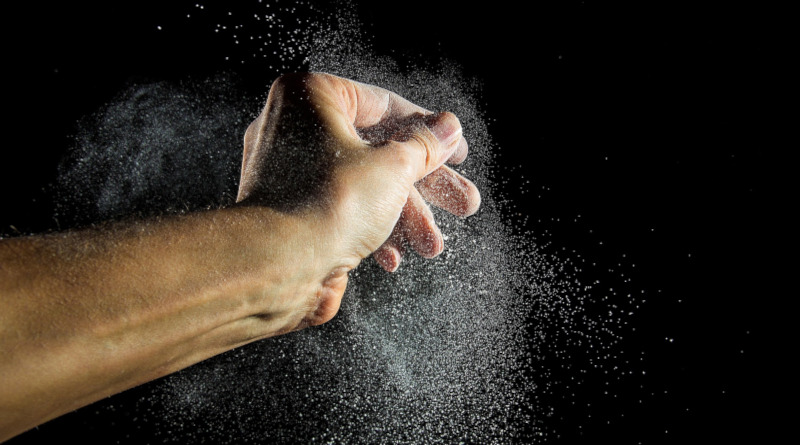
Expression versus Conformity: Style as Personal Identity in 2026
In 2026, style no longer sits quietly on the surface of life. It has become a language, a position, and sometimes a quiet resistance. What we wear, how we design our spaces, how we curate our digital presence, and even how we move through cities now communicate more than taste. They communicate identity. And identity, today, is negotiated between two powerful forces: expression and conformity.
This tension is not new. Every era has struggled with the question of how much of the self can be shown, and how much must be shaped to fit the collective. What makes 2026 different is scale. Never before have individuals been so visible, so measured, and so influenced by systems that reward sameness while promising individuality. The paradox of modern style is that it offers infinite choice while subtly guiding people toward uniform outcomes.
To understand style in 2026 is to understand a deeper human question: how do we remain ourselves in a world that constantly watches, categorizes, and compares?
The Historical Weight of Conformity
Conformity has always been a survival tool. In earlier societies, dressing alike signaled belonging, safety, and shared values. Uniforms, traditional dress, and social codes reduced friction and reinforced community. Even rebellion followed recognizable forms. The punk, the flapper, the beatnik, the minimalist. Each counterculture eventually became a style of its own.
What has changed is not the existence of conformity, but its mechanisms. In the twentieth century, conformity was enforced socially. In the twenty first century, it is optimized algorithmically. What is visible is amplified. What is repeated becomes normal. What performs well becomes aspirational.
Style today is shaped less by direct pressure and more by invisible feedback loops. Likes, views, trends, and recommendations quietly define what feels acceptable, desirable, or relevant. Conformity no longer looks like restriction. It looks like participation.
Expression as a Modern Ideal
Expression, on the other hand, has become one of the most celebrated values of contemporary culture. We are told to be authentic, to tell our story, to show our true selves. Fashion brands promise individuality, platforms reward personal narratives, and workplaces encourage self expression, at least rhetorically. Yet expression in 2026 exists within clear constraints. The freedom to express is real, but unevenly distributed. It is easier to express oneself when expression aligns with accepted aesthetics, identities, or narratives, and far more difficult when it challenges norms, resists categorization, or refuses optimization. Friedrich Nietzsche warned of this tension long before the age of visibility when he wrote, “One must still have chaos in oneself to be able to give birth to a dancing star.”
For Nietzsche, true creation emerged not from polished coherence but from inner conflict, uncertainty, and the courage to embrace contradiction. In contrast, contemporary culture often rewards smoothness over chaos, clarity over exploration. This creates a subtle pressure to perform authenticity rather than live it. Style becomes a curated signal instead of a lived process, and expression turns into something to be presented for approval, rather than slowly discovered through experience.
Style as Identity Work
Style today is no longer merely decorative. It is a form of identity work. People use clothing, objects, interiors, and digital aesthetics to answer questions such as Who am I, Where do I belong, and What do I stand for.
In 2026, identity is fluid, layered, and often provisional. Careers change, locations shift, relationships evolve, and digital lives intersect with physical ones. Style becomes a stabilizing thread, a way to maintain continuity amid constant change.
Yet this same fluidity makes identity vulnerable to external influence. When everything is adaptable, nothing feels anchored. Style choices are made faster, revised more often, and sometimes abandoned before they can take root. The result is a culture that looks expressive on the surface but often feels uncertain underneath.
The Aestheticization of Belonging
One of the most striking features of style in 2026 is how belonging has been aestheticized. Communities now form around visual codes as much as shared values. Minimalism, maximalism, vintage, quiet luxury, techwear, romanticism, utilitarianism. Each aesthetic signals not just taste, but worldview.
These codes help people find each other. They create shorthand for identity. But they also risk turning belonging into a uniform. When an aesthetic becomes too defined, deviation feels like betrayal. Expression gives way to maintenance.
This is where conformity hides most effectively. Not in rules, but in expectations. Not in enforcement, but in imitation.
Digital Visibility and the Self
The digital layer of life has intensified the expression versus conformity tension. Every outfit, space, and gesture can be documented. Visibility creates opportunity, but also pressure. When style becomes content, it must be legible, repeatable, and recognizable.
This encourages coherence over contradiction. But real identity is often inconsistent. People change their minds. They experiment. They fail. Style as lived identity includes awkward phases, misalignments, and private evolutions. Style as public performance edits these out.
In 2026, many people feel the exhaustion of maintaining a visible self. The quiet return to anonymity, privacy, and unposted moments reflects a deeper desire to reclaim expression from constant evaluation.
Work, Power, and Dress Codes
Nowhere is the tension between expression and conformity more visible than in the workplace. While dress codes have relaxed, expectations remain. The contemporary professional must appear authentic without being disruptive, expressive without being unprofessional, individual without being unpredictable.
In creative industries, style is often treated as currency. It signals competence, relevance, and cultural fluency. But this can create new forms of conformity, where creativity itself becomes standardized.
True expression in work contexts requires not just aesthetic freedom, but structural trust. Without it, style becomes another performance metric.
Gender, Culture, and Resistance
Style has always been deeply entangled with gender and culture. In 2026, these dimensions are being renegotiated in visible ways. Traditional boundaries are challenged, blended, and reimagined. Clothing no longer belongs to fixed categories. Beauty standards are questioned. Cultural references travel faster than ever.
Yet this global exchange raises ethical questions. When does appreciation become appropriation. When does visibility erase context. Expression without understanding risks flattening meaning.
The most powerful style expressions today are rooted in specificity. They draw from lived experience, heritage, and intention. They resist easy translation. They demand attention rather than approval.
The Quiet Power of Subtlety
In response to constant stimulation, many people in 2026 are turning toward quieter forms of expression. Not minimalism as trend, but restraint as philosophy. Fewer signals. Slower choices. Less explanation.
This does not mean conformity. On the contrary, choosing not to perform can be a radical act. Silence, subtlety, and refusal are forms of expression in a culture that demands visibility.
Style, in this context, becomes personal again. It exists for the wearer, not the audience. It communicates inwardly before outwardly.
Education of Taste and Self Knowledge
True expression requires self knowledge. Yet modern culture rarely teaches people how to develop taste beyond consumption. Algorithms suggest. Influencers model. Brands dictate narratives.
In 2026, a growing number of individuals are reclaiming taste as a skill. They study history. They learn craftsmanship. They reflect on why they are drawn to certain forms. This slows down style and deepens it.
Taste becomes less about following and more about choosing. Less about identity signaling and more about alignment.
The Ethics of Expression
- Expression is not neutral. What we choose to wear and display exists within systems of labor, ecology, and power. Style in 2026 increasingly carries ethical weight. People ask where things come from, who made them, and what values they support.
- Conformity often hides behind convenience. Expression requires responsibility. This adds another layer to personal identity, one that connects the self to the world.
- Choosing differently is harder. It requires attention and sometimes sacrifice. But it also restores meaning to style.
Takeway from Hayenne
The deepest question of expression versus conformity is not about aesthetics. It is about integration. Can we live in alignment with ourselves while participating in collective life. Can we belong without disappearing. Can we express without performing.
In 2026, style is a testing ground for these questions. It reflects our anxieties and our hopes. It shows where we feel free and where we feel constrained. The future of style may not be louder or more radical. It may be more honest. Less optimized. More personal. A return to style as a dialogue between inner life and outer world. Expression does not require constant novelty. Conformity does not always mean loss of self. The challenge is discernment. Knowing when to adapt and when to resist. When to speak and when to remain quiet.


