
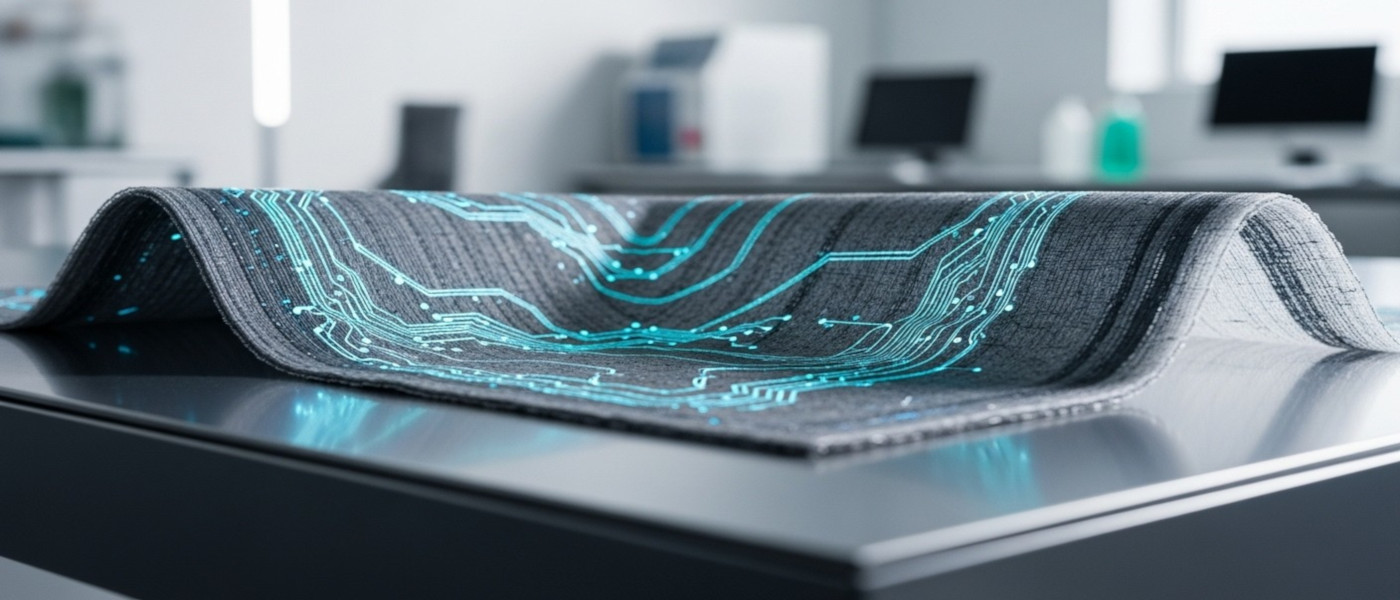
Future of Smart Clothing From Climate Adaptive Tech to Health Monitoring Wearables
Smart clothing in 2026 is evolving beyond novelty into practical, emotionally intelligent style. Once associated mainly with experimental wearables or performance gear, smart garments are now entering everyday wardrobes through climate-adaptive technologies, health-monitoring textiles, and discreet wearable systems designed with strong aesthetic intent. Rather than replacing fashion, technology is being woven into it supporting comfort, wellbeing, and modern lifestyles while maintaining visual appeal.
This shift reflects a broader cultural movement: consumers increasingly expect their clothing to do more than look good. In a world shaped by climate uncertainty, remote work, urban living, and health awareness, fashion is becoming a responsive partner in daily life.
The Evolution of Smart Clothing
Smart clothing in 2026 is defined by integration rather than visibility. Early generations of wearable tech relied on obvious devices: clip-on trackers, rigid sensors, or glowing elements that prioritized function over form. Today’s smart garments embed technology directly into fibers, yarns, and finishes, allowing clothing to behave intelligently without compromising style.
- In Europe, companies such as Sensoria (Italy) and Wearable X (UK/EU operations) have helped move smart textiles into fashion-forward applications, integrating sensors into seamless knits, yoga wear, and lifestyle garments. Their designs prioritize softness, washability, and minimal visual disruption, making smart clothing feel familiar rather than futuristic.
- Across North America, brands like Levi’s, through its earlier Jacquard collaboration, and newer smart textile startups have paved the way for garments that subtly respond to touch or movement. While early projects focused on connectivity, newer iterations emphasize longevity, comfort, and emotional resonance rather than constant digital interaction.
- In Asia, innovation is accelerating rapidly. Japan’s textile manufacturers, long leaders in functional fabrics, are developing yarns that combine moisture regulation, thermal control, and embedded conductive properties without altering drape or hand feel. Meanwhile, South Korean fashion-tech startups are blending smart fabrics with streetwear aesthetics, creating garments that feel culturally relevant to younger consumers rather than clinical or utilitarian.
The evolution of smart clothing is no longer about showcasing technology, it is about making it invisible, intuitive, and desirable.
Climate Adaptive Technology: Dressing for an Unstable World
One of the most significant developments in smart clothing for 2026 is climate adaptive tech. As weather patterns become more unpredictable and urban environments grow more extreme, consumers are turning to garments that can actively regulate comfort throughout the day. Climate-adaptive clothing responds to changes in body temperature, humidity, and external conditions by adjusting insulation, breathability, or ventilation.
This can include phase-change materials that store and release heat, membranes that open or close in response to moisture, or textiles that dynamically alter airflow.
- In Scandinavia, where functional fashion has long been central to design culture, brands are integrating climate intelligence into outerwear and layering systems. Norwegian and Swedish outerwear innovators are developing jackets and mid-layers that balance insulation with adaptive breathability, allowing wearers to move between indoor and outdoor environments without discomfort.
- In China, large-scale textile manufacturers are investing heavily in smart climate materials for mass-market fashion. Temperature-regulating linings and humidity-responsive fabrics are appearing in everyday coats, trousers, and uniforms, reflecting a future where adaptive tech is not premium but expected.
- Meanwhile, North American outdoor and lifestyle brands are translating performance technologies into urban silhouettes. Lightweight jackets, commuter coats, and travel wear now incorporate thermal regulation systems originally designed for extreme sports. The result is clothing that looks minimal and contemporary while quietly adjusting to the wearer’s needs.
This shift signals a key trend for 2026: climate adaptability is no longer confined to activewear, it is becoming a baseline expectation for global fashion.
Health Monitoring Moves into Everyday Wear
Health monitoring is another defining pillar of smart clothing in 2026, but its role is changing. Instead of focusing solely on athletic performance or medical use, health-tracking apparel is moving into everyday lifestyle fashion.
Smart garments now incorporate soft sensors capable of measuring heart rate, breathing patterns, posture, muscle engagement, and movement. Crucially, these technologies are becoming less intrusive and more passive, allowing wearers to benefit from insights without constant attention.
- In the USA, companies working at the intersection of fashion and health tech are embedding biometric sensors into bras, undershirts, and base layers designed to be worn all day. These garments support stress awareness, posture correction, and recovery tracking, aligning with growing consumer interest in mental and physical wellbeing.
- Across Europe, health-integrated clothing is appearing in workwear and lifestyle collections. Smart posture-support garments, for example, are designed to help desk workers maintain healthy alignment without rigid braces or visible devices. These pieces blend seamlessly into professional wardrobes, reflecting a cultural shift toward preventative wellbeing rather than reactive healthcare.
- In Australia, where active lifestyles are closely tied to daily wear, smart clothing brands are merging fitness and fashion. Leggings, tops, and light outerwear now include discreet monitoring features that transition easily from exercise to casual settings, supporting a fluid, all-day approach to movement and health. Importantly, 2026 smart clothing emphasizes user control and privacy. Data collection is increasingly optional, anonymized, and user-owned, responding to consumer concerns about digital overreach while still offering meaningful benefits.
Smart Textiles in Urban and Lifestyle Fashion
One of the most notable changes in 2026 is how smart clothing is being positioned stylistically. Rather than existing as a separate category, it is merging with urban fashion, loungewear, and contemporary tailoring.
- In South Korea, smart textiles are appearing in oversized silhouettes, layered streetwear, and modular garments that resonate with digital-native consumers. Features such as heating zones, movement-responsive panels, or adaptive linings are hidden within minimalist designs, reinforcing the idea that technology should enhance, not dominate, personal style.
- In France and Italy, luxury and premium brands are exploring smart textiles through craftsmanship. Embroidered conductive threads, translucent layers with responsive properties, and couture-level finishes demonstrate that technology can coexist with tradition and artistry.
- Across Africa, emerging designers and textile innovators are experimenting with smart fabrics for climate resilience and urban life. Breathable, adaptive materials are being applied to fashion that addresses heat management, mobility, and durability, showcasing how smart clothing can respond to regional needs while maintaining strong cultural identity.
This global diversity highlights a crucial insight: smart clothing is not a single aesthetic or solution. It is a flexible framework that adapts to local climates, cultural values, and lifestyle priorities.
Consumer Mindsets Driving Smart Clothing Adoption
The rise of smart clothing in 2026 is closely tied to shifting consumer psychology. Shoppers are increasingly drawn to products that feel supportive, responsive, and meaningful rather than purely decorative.
Post-pandemic lifestyles have blurred boundaries between work, home, and movement, increasing demand for garments that can adapt throughout the day. At the same time, growing awareness of climate change and personal health has made consumers more receptive to clothing that actively contributes to comfort and wellbeing.
Crucially, smart clothing is gaining traction because it no longer demands technical knowledge. Interfaces are simplified, apps are optional, and many features operate automatically in the background. The garment itself becomes the experience.
Takeway from Hayenne
Smart clothing in 2026 stands at the intersection of fashion, technology, and wellbeing. It represents a move away from flashy innovation toward quiet intelligence, garments that sense, respond, and support without sacrificing aesthetics. From climate-adaptive outerwear in Europe and Asia, to health-monitoring lifestyle pieces in North America and Australia, to regionally responsive smart textiles across emerging markets, smart clothing is becoming a truly global fashion evolution. Our key takeaway is clear: the future of fashion is not just about how clothing looks, but how it feels, behaves, and cares for the wearer. In 2026, smart clothing is no longer a futuristic concept, it is an everyday companion, empowering individuals to move through an increasingly complex world with greater comfort, awareness, and style.


