
Heritage Craftsmanship From Argentina to Japan
In 2026, heritage craftsmanship from Argentina to Japan is gaining new prominence as artisans preserve traditional techniques while inspiring modern style and cultural storytelling. Across continents, the delicate interplay of hands, tools, and natural fibers is reshaping how we understand fashion, culture, and identity.
The Living Soul of Craft: Craft as Cultural Storytelling
Heritage craftsmanship in 2026 is not merely decorative, it is a narrative, a living record of human ingenuity, struggle, and connection. Consider Argentina, where the Wichí people continue weaving with fibers harvested from the chaguar plant, a resilient desert grass that has sustained their communities for centuries. Every thread tells a story: geometric patterns encode ancestral knowledge, spiritual beliefs, and historical memory. These textiles are more than garments or household items; they are vessels of identity, carrying centuries of history through tactile form.
In recent years, international fashion houses have begun collaborating with Wichí weavers, creating collections that honor indigenous heritage while translating it for contemporary audiences. Museums and art exhibitions across Europe and North America now feature these woven marvels, recognizing that craftsmanship is both a cultural archive and a vibrant, evolving art form. For the artisans, this recognition is not only economic but deeply symbolic, a testament to the relevance of human creativity in an era dominated by mass production.
Travelers who visit northern Argentina often remark on the mesmerizing textures and earthy colors, from the muted ochres of desert clay to the vibrant greens and reds inspired by surrounding landscapes. Walking through artisan workshops, one hears the rhythm of hands pulling fibers across looms, punctuated by soft laughter and conversation, a human heartbeat embedded in every weave.
Japan: Mingei Philosophy and the Beauty of Everyday Craft
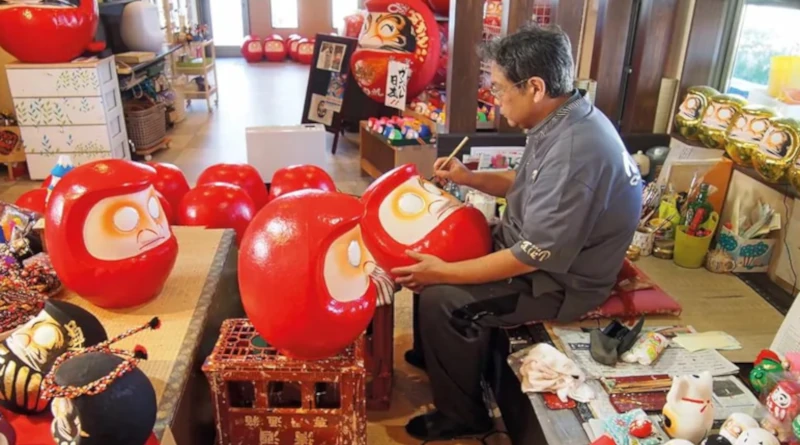
Half a world away, in Japan, the philosophy of mingei, “the art of the people”, continues to shape lives and aesthetics. Emerging in the early 20th century as a response to industrialization, mingei celebrates handcrafted objects designed for daily use. From lacquerware to pottery to woven textiles, artisans integrate simplicity, utility, and beauty, crafting items that are timeless yet functional.
In 2026, Japanese designers increasingly collaborate with traditional artisans, blending mingei techniques with avant-garde fashion and modern interior design. Silk dyed with natural indigo, straw hats woven in meticulous patterns, and lacquered trays decorated with delicate brushwork now influence global style dialogues. The interplay of light, shadow, and material in these objects inspires designers in Milan, New York, and Paris to incorporate heritage craftsmanship into contemporary fashion narratives.
Visiting a Kyoto workshop, one is struck by the tranquil rhythm of creation. Hands move with reverence over clay or silk, translating centuries of knowledge into forms that are at once ancient and strikingly modern. Here, craft is not just a product, it is an ethos, a meditation, and a dialogue between past, present, and future.
Craft Across Continents: Stories of Resilience and Identity
From Peru to Morocco, Turkey to India, heritage craftsmanship in 2026 reflects the incredible geographic diversity of human creativity. In the Andes, alpaca wool is spun into fine threads that carry the subtle scent of mountain air. In Morocco, Berber weavers knot carpets with symbolic designs representing tribal lineage and storytelling. In India, block-printed textiles echo centuries of trade and cross-cultural influence, yet each artisan’s mark is unmistakably personal.
These traditions are not relics; they are evolving practices. Contemporary fashion labels seek collaborations that sustain communities, honor craft techniques, and bring visibility to marginalized voices. Consumers increasingly value provenance, sustainability, and the story behind every stitch, choosing pieces that connect them to the environment, history, and human skill.
Heritage craftsmanship becomes a bridge between generations, where young designers learn from master artisans, ensuring that knowledge survives and thrives. Digital platforms, social media, and global exhibitions amplify these narratives, bringing artisans from remote villages into global consciousness.
Why Heritage Craftsmanship Matters
In a world dominated by fast fashion and digital experiences, heritage craftsmanship offers an antidote: authenticity, patience, and tangibility. A woven textile, a hand-dyed scarf, or a carved wooden button carries time, energy, and intention, qualities that mass-produced goods can never replicate.
For consumers, these objects are touchstones of identity. Wearing or displaying artisan-crafted items is a celebration of culture, history, and human skill. For designers, collaborating with artisans infuses collections with depth and narrative, transforming fashion from mere clothing to a living story.
Geographically, these traditions remind us of the interconnectedness of the world. Argentine Wichí patterns resonate in Tokyo galleries; Japanese indigo techniques influence denim collections in Milan; Moroccan carpets inspire color palettes for Paris couture. Craft becomes a universal language, linking continents and generations through tactile expression.
The Future of Heritage Craftsmanship
Looking ahead, heritage craftsmanship in 2026 is poised to evolve yet remain deeply rooted. Technology assists without replacing human hands: digital platforms help artisans reach new markets, while sustainable practices preserve natural resources for future generations.
Fashion, design, and lifestyle are embracing slow, intentional production. Consumers increasingly seek garments and objects with ethical provenance, cultural significance, and aesthetic integrity. Heritage craftsmanship is at the center of this shift, reminding the world that human touch and imagination are irreplaceable.
The future may also see cross-cultural collaborations expand. Imagine a scarf woven in the Argentine Chaco blended with Japanese indigo dye, finished in a Moroccan dye workshop, sold globally to consumers who appreciate both style and story. Each object becomes a microcosm of the world, carrying threads of human ingenuity, resilience, and connection.
Experiencing Heritage Craftsmanship Today
For those looking to immerse themselves in heritage craftsmanship in 2026, travel becomes an integral part of the story. Workshops, artisan villages, and cultural festivals invite visitors to witness creation firsthand. The experience is sensory: the soft rustle of fibers, the earthy aroma of natural dyes, the rhythmic tap of a wooden loom. Each visit is a journey through history, culture, and artistry.
- Argentina: Wichí weaving workshops in Salta province
- Japan: Kyoto and Kanazawa mingei craft studios
- Peru: Andean alpaca weaving cooperatives
- Morocco: Berber carpet weaving villages in the Atlas Mountains
- India: Rajasthan and Gujarat block-printing workshops
Engaging with artisans allows visitors to understand the labor, love, and legacy behind every object. Fashion, textiles, and home décor become living repositories of cultural memory.
Top 10 Museums to Explore Heritage Craftsmanship Around the World
- Textile Museum of Canada – Toronto, Canada
Explore Indigenous and global weaving traditions, from hand-spun fabrics to contemporary textile art, highlighting the narrative power of thread and pattern. - Musée des Arts Décoratifs – Paris, France
Home to centuries of European and non-Western craft, this museum showcases decorative arts, traditional textiles, and artisan techniques that inspire modern design. - Victoria and Albert Museum – London, UK
A treasure trove of fashion, textiles, and decorative arts, offering immersive exhibits on global craftsmanship and centuries-old artisanal practices. - Metropolitan Museum of Art – New York, USA
Featuring extensive collections of global artisanship, including handwoven textiles, embroidered works, and historical craft objects, bridging past and present. - Kyoto Costume Institute – Kyoto, Japan
Celebrates Japanese mingei philosophy, highlighting traditional textiles, lacquerware, and handcrafted garments that continue to influence contemporary fashion. - Museo Nacional de Arte Decorativo – Buenos Aires, Argentina
Showcases Argentine weaving, folk craft, and artisanal objects, preserving and celebrating the country’s rich cultural heritage. - National Museum of Anthropology – Mexico City, Mexico
Features pre-Columbian textile and craft heritage, giving visitors insight into indigenous techniques, symbolism, and cultural storytelling. - Rijksmuseum – Amsterdam, Netherlands
Displays historic European fabrics alongside global craft, demonstrating centuries of artisanal mastery and cultural exchange through textiles and decorative arts. - Musée du Quai Branly – Jacques Chirac – Paris, France
Focused on indigenous art from Africa, Asia, Oceania, and the Americas, this museum emphasizes craft, ritual objects, and cultural heritage. - Asian Art Museum – San Francisco, USA
Highlights intricate craft and textile traditions from East and South Asia, offering a journey through centuries of artisanal innovation and aesthetic philosophy.
Takeway from Hayenne
Heritage craftsmanship in 2026 teaches us that traditional techniques are not relics of the past. They are active, evolving forces shaping cultural identity, modern expression, and global style. From Argentina to Japan, Peru to Morocco, these practices ground fashion, design, and lifestyle in stories of resilience, meaning, and human creativity.
Every textile, every carved object, and every hand-dyed thread is a story worth telling, a reminder that the human touch is both irreplaceable and timeless. By honoring heritage craftsmanship, we not only preserve culture but also redefine what it means to live and dress with intention in 2026 and beyond.