Sustainability Is the New Status How Eco Innovation Is Redefining Global Fashion
Sustainability in fashion in 2026 has become a status symbol with designers leading shifts toward biodegradable fabrics upcycled luxury and fully circular design models.
Beyond Ethics to Innovation with Sustainability Showcased at Fashion Weeks Worldwide
Sustainability in fashion 2026 is no longer about ticking boxes – it’s about eco innovation fashion that integrates environmental regeneration into design. Materials like regenerative fabrics, bio‑based fibers and modular design are becoming part of how collections are evaluated by editors and consumers alike. Systems combining tech insights and eco practices allow brands to run leaner and cleaner without sacrificing creativity.
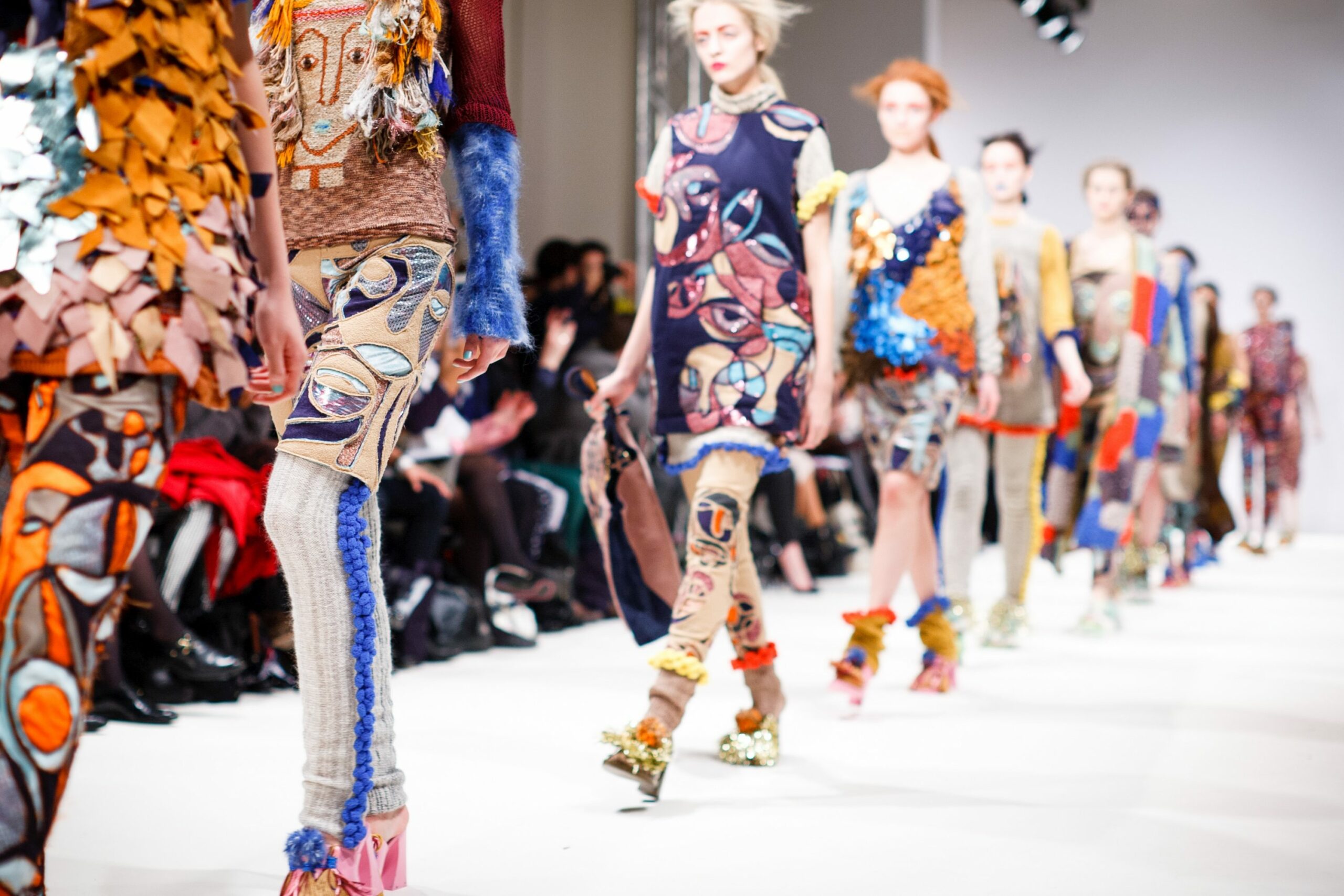
In 2026, sustainability on the runway has transformed from a niche concern into a core criterion for creativity and commercial appeal, with designers around the world showcasing how eco‑conscious innovation can coexist with high fashion :
- At Paris Fashion Week (Spring/Summer 2026), Gabriela Hearst’s Spring/Summer 2026 runway emphasized deadstock fabrics and thoughtful material reuse, turning what might have been discarded textiles into luxurious, tactile dresses that resonated with editors and consumers alike.
- Stella McCartney’s (Spring/Summer 2026) show at the Centre Pompidou in Paris blended couture flair with environmental purpose, featuring plant‑based feather alternatives and air‑purifying denim as part of her eco‑driven lineup.
- Across the calendar, sustainability moments at London Fashion Week (Spring/Summer 2026) highlighted designers like Patrick McDowell incorporating digital product passports and recycled fibres into ready‑to‑wear offerings, proving that transparency and traceability can be runway‑worthy.
- In Seoul Fashion Week, held in September 2025 ahead of Spring/Summer 2026, forward‑thinking designers combined technology and upcycled materials in shows staged at historic venues like Deoksu Palace, illustrating how local context can elevate eco‑innovation.
Upcycled and Circular Models
Designers repurpose legacy textiles into high value upcycled luxury pieces and implement circular fashion models that prioritize reuse and zero‑waste production. From modular garments designed to be repaired and reinvented to collections built on reclaimed materials, the focus is clear: sustainability is now a mark of cultural relevance.
The Global Impact
Across fashion capitals designers are introducing lines that embrace ethical practices with elevated aesthetics. This trend reflects a broader cultural momentum where consumers are demanding transparency and regenerative impact from brands. Sustainability in fashion 2026 is now recognized as both style and substance.
Takeaway from Hayenne
Sustainability in fashion 2026 is redefining what status means in contemporary style – merging ethical impact with cultural relevance and innovation. Even as fashion embraces regenerative fabrics and bio‑based fibres, our global runway examples show sustainability isn’t about ticking boxes – it’s about integrating environmental regeneration into design language and fashion systems that are leaner, cleaner, and still profoundly creative.
APA Sources
- SpringFair. (2025). 2026 fashion edit trends retailer needs know.
- FashionGenre. (2025). Trend forecast fashion trends 2026 you need to know.