
Techno Romanticism and the Soft Future of Fashion in 2026
Explore how techno romanticism fashion in 2026 unites futuristic fabrics and digital design with soft romantic expression shaping the emotional future of style.
What Is Techno Romanticism
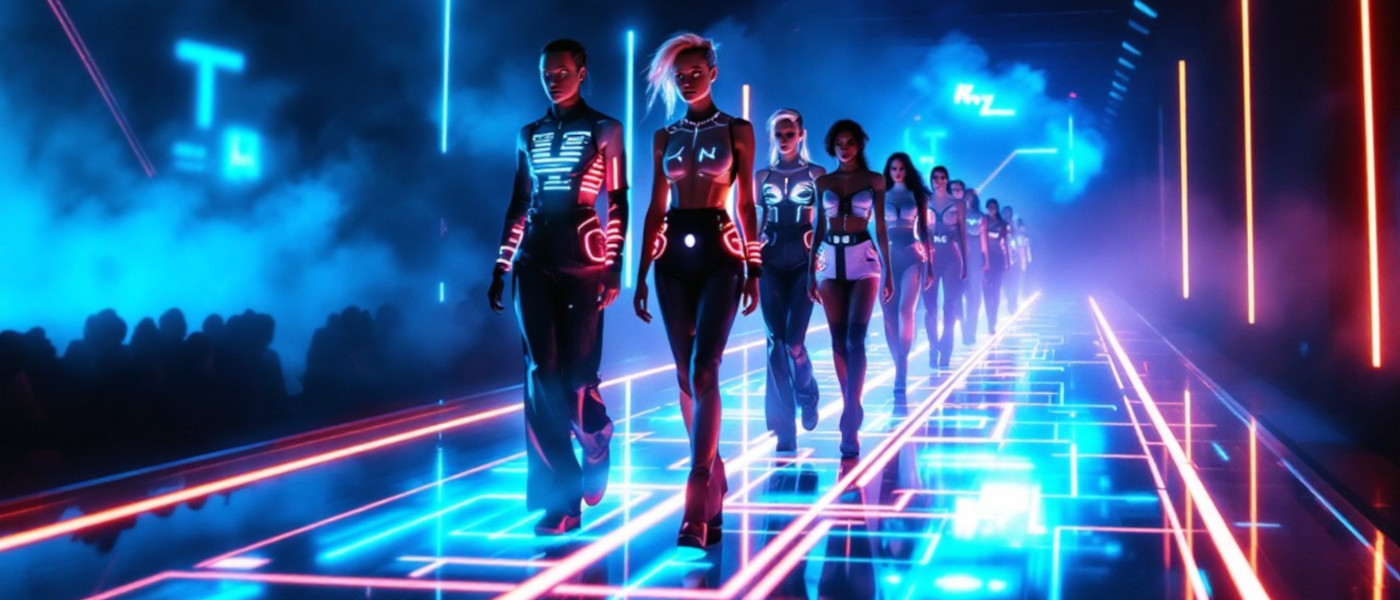
Techno romanticism fashion 2026 is emerging as one of the defining directions of the year. Instead of treating technology and emotion as opposites, designers are embracing futuristic fabrics and digital fashion aesthetics that feel soft, expressive and deeply human. Translucent organzas, AI generated prints and smart textiles that respond to movement are all part of this narrative reflecting an era where innovation and emotion coexist beautifully. This trend is rooted in consumer desire for design that feels personal and emotionally resonant in a tech‑infused world.
Where Innovation Meets Emotion
Across global runways designers are layering soft tulle and lace over geometric prints and reactive fabrics that shift with light and movement. The result is garments that embody emotional design trends while still feeling forward‑looking. Consumers today want more than functionality – they want story, feeling, and connection in what they wear and techno romanticism answers that call by turning high tech into poetic fashion.
In Paris and Milan runway collections, techno-romanticism is appearing through the contrast of advanced materials with poetic silhouettes. Designers are pairing translucent organzas and liquid satins with laser-cut detailing, digital florals, and AI-generated surface patterns that feel almost hand-drawn. The mood is futuristic but intimate: sheer layers reveal movement and vulnerability, while subtle tech finishes-like heat-responsive inks or light-reflective yarns, create garments that shift gently as the wearer walks. This signals a move away from cold futurism toward a softer, emotionally expressive vision of innovation.
In Seoul and Tokyo street style, the trend feels more personal and wearable. Young consumers mix romantic elements-flowing skirts, delicate knits, pastel tones, with visible tech influences such as smart accessories, LED-stitched bags, or garments with modular, adjustable components. Outfits often blur digital and physical identity, inspired by gaming avatars and virtual worlds, yet grounded in everyday comfort. This reflects a generation that sees technology not as spectacle, but as an extension of self-expression and mood.
Within digital fashion and virtual platforms, techno-romanticism is accelerating even faster. Brands experimenting with AI-generated fashion drops are creating ethereal, emotionally charged designs that would be difficult or impossible to produce traditionally—floating textures, softly glowing fabrics, and dream-like color gradients. These digital garments are often linked to personal storytelling, allowing users to customize patterns based on emotions, memories, or movement data. The success of these experiences highlights a consumer desire for fashion that feels intimate, symbolic, and responsive rather than purely functional.
In retail and experiential spaces, especially in cities like Copenhagen and New York, the trend shows up through immersive environments. Stores are using soft lighting, translucent materials, soundscapes, and responsive displays that change as customers move through them. Clothing made from smart textiles subtly reacts to touch or body heat, reinforcing the idea that garments can “connect” with the wearer. This creates an emotional bond between consumer and product, aligning with a broader shift toward mindful consumption and meaningful design.
Across all these spaces, techno-romanticism reflects a shared cultural moment: consumers are surrounded by technology, but they want it to feel human, gentle, and emotionally aware. Rather than rejecting innovation, fashion in 2026 is reframing it—using advanced tools to tell softer stories and design experiences that resonate on a deeply personal level.
A Global Shift in Style
This trend is not isolated to one region. From Tokyo to Paris, Lagos to Los Angeles designers are blending soft silhouettes with digital motifs to create looks that feel inclusive yet innovative. It reflects a global fashion moment where tradition, romance and technology inform one another seamlessly.
Takeaway from Hayenne
Techno romanticism fashion 2026 shows that the future of fashion is not just about innovation for its own sake but about feeling and emotional expression. By bringing together digital aesthetics and sensory rich fabrics this trend creates garments that speak to the heart as much as the imagination.