
The Coats That Will Define Autumn 2026
Autumn fashion often begins with footwear and bags, yet the coat eventually determines almost everything beneath them because it occupies more visual space than any other piece in a cold-weather wardrobe. For 2026, outerwear is moving away from anonymous oversized shapes towards coats with clearer lines: funnel necks replace some traditional lapels, long leather becomes more polished, checks return with enough scale to feel modern and scarf details allow a familiar wool coat to behave like something more considered.
None of the strongest directions requires an entirely new wardrobe. Most depend on proportion and styling rather than novelty, which makes existing coats unexpectedly useful if their shape sits close to what is returning.
The Funnel Neck Is Replacing The Lapel
The funnel-neck coat has the cleanest silhouette of the season because closing the neckline removes the conventional V created by lapels and gives the entire upper body a stronger vertical line. It looks particularly effective in substantial wool, where the fabric can hold enough shape for the collar to frame the face rather than collapse around it.
The style also earns its place practically. Autumn coats spend much of their life open in photographs and closed in real weather, and a higher neck reduces the need to arrange a scarf every time the temperature drops.
Camel and oatmeal soften the architectural shape, while charcoal, navy and dark brown make it more severe. Someone who already owns several conventional tailored coats may therefore find a funnel neck adds more to the wardrobe than another variation on the same double-breasted style.
Keep the rest uncomplicated. Wide trousers, a fine knit and simple boots allow the collar to provide enough structure without requiring additional detail around the neckline.
Scarf Coats Are Staying
Built-in scarf details could easily have disappeared after one fashion cycle, yet they are proving useful enough to remain. The best versions integrate the scarf into the coat rather than making it look attached as decoration, creating movement around an otherwise straightforward wool silhouette.
The appeal lies partly in proportion because the hanging scarf adds a long vertical line that works particularly well with ankle-length coats. Draped loosely, it softens tailoring; wrapped once around the neck, it changes the shape entirely.
Neutral colours make the design easiest to keep because the detail already attracts attention. Chocolate, grey, cream and muted camel allow texture and movement to do most of the work, whereas a strong colour plus an elaborate scarf construction can become tiring more quickly.
An existing long coat can approximate the same idea with a large scarf in matching or closely related wool. Exact colour matching is unnecessary; slightly different shades often create more depth than a perfectly coordinated set.
Leather Has Gone Long
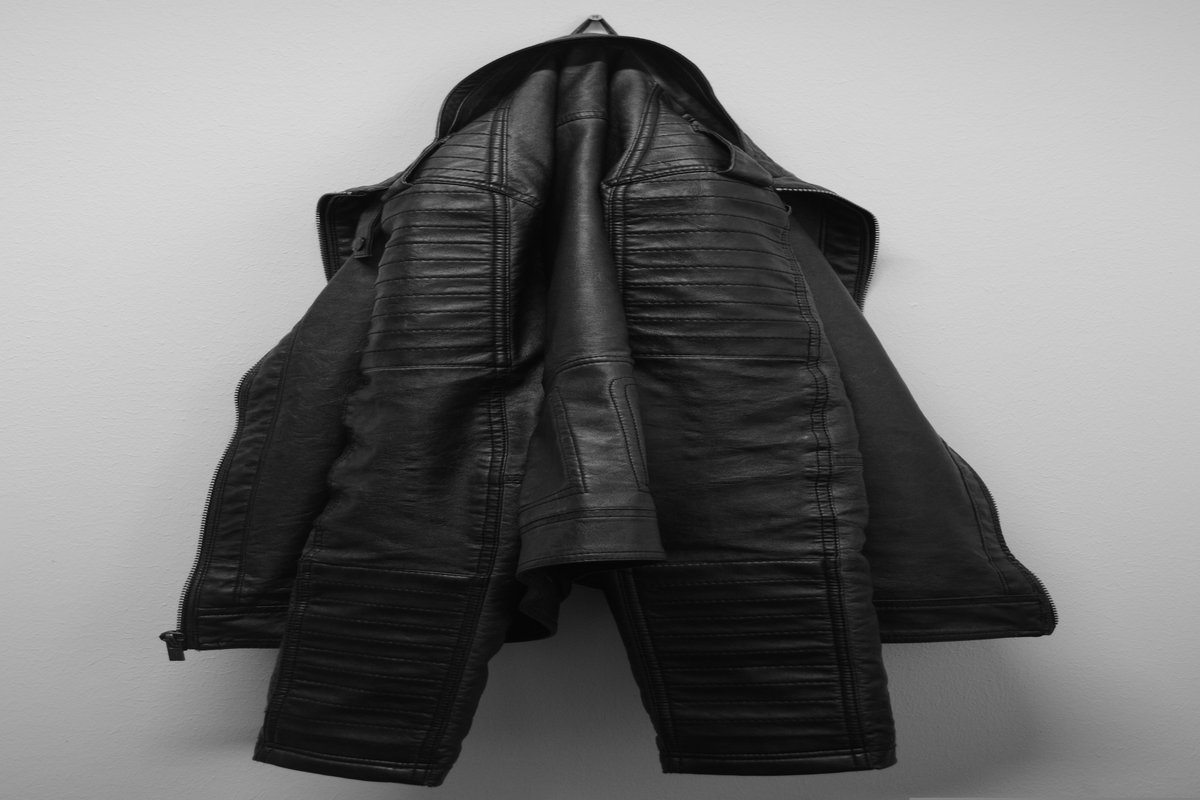
The leather jacket remains part of almost every autumn wardrobe conversation, but 2026 extends the material downwards through longer coats with relatively simple construction. The strongest versions avoid excessive biker hardware and instead use leather almost as though it were wool, relying on cut and surface rather than zips and studs to create interest.
Dark brown works particularly well because it has enough warmth to separate the coat from the black leather styles that dominated earlier cycles. Burgundy offers another route for anyone comfortable making outerwear the strongest colour in the outfit.
A long leather coat needs restraint elsewhere because the material already creates substantial visual weight. Fine knitwear, straight trousers, denim and narrow footwear keep the overall proportion controlled, while adding several other leather pieces can push the outfit towards costume.
Vintage is worth considering because leather often improves after wear, and the current shapes borrow enough from earlier decades that a well-preserved older coat can look more convincing than one designed to appear aged artificially.
Checks Have Become Larger
Checked coats never truly disappear, although the scale of the pattern determines whether they feel traditional or contemporary. Autumn 2026 favours checks that can be read from across the room rather than tiny heritage patterns that merge into a neutral from a distance.
Brown, charcoal, cream and muted burgundy make the easiest combinations because they connect naturally with autumn knitwear and leather accessories. The pattern provides enough variation that the clothes underneath can remain extremely simple.
The proportion works particularly well on long coats where the pattern has enough surface area to develop. Cropped checked jackets can feel busier because several strong lines compete within a small space, while an ankle-length coat allows the repeat to become part of the silhouette.
If a checked coat already exists in the wardrobe, changing what sits beneath it may be enough. Wide trousers, a plain crew-neck knit and cleaner footwear can remove the country styling sometimes associated with checks and make the same coat feel considerably more urban.
The Short Coat Is Becoming Structured
Long outerwear dominates autumn imagery because it creates drama easily, but shorter coats are returning with more shape after several years of oversized jackets and loose shackets. Hip-length wool styles, cropped peacoats and compact double-breasted coats work particularly well with the fuller trousers and long skirts currently in circulation.
Their usefulness comes from proportion. A short jacket exposes more of a high-waisted trouser or long skirt, which can make the legs look longer and prevent generous lower-half silhouettes from becoming overwhelmed by another large layer above them.
Structure helps because a cropped coat that is simultaneously soft, oversized and wide can lose the clean contrast that makes the proportion effective. A defined shoulder or strong collar gives the piece enough presence to balance what is happening below.
Chocolate Brown Has Become As Useful As Black
Brown’s return has lasted long enough to stop feeling like a temporary colour story. Dark chocolate now works across coats, bags, boots and knitwear because it sits comfortably with black as well as with the cream, burgundy, grey and pale blue appearing throughout autumn collections.
A brown coat does not require brown accessories. Black shoes make it sharper, burgundy adds depth and cream brings out its warmth, while combining every item in slightly different brown shades can look more laboured than intentional.
For someone who already owns a good black or navy coat, chocolate may be the most sensible second neutral because it changes the temperature of familiar clothes without requiring new colour combinations.
What Is Actually Worth Buying?
Outerwear justifies more scrutiny than most seasonal purchases because a coat needs to work repeatedly, often over clothing that changes from day to day. Trend value therefore matters less than whether the silhouette fills a genuine gap.
A funnel neck offers the clearest update for someone whose wardrobe contains several lapelled coats. A long leather style makes sense when wool already dominates, while the scarf coat suits anyone who prefers softness without sacrificing a clean line.
The strongest Autumn 2026 coats share a useful quality: their identity comes from cut, proportion and material rather than decoration. That makes them recognisably current without tying them too tightly to one year.
A good coat should survive the moment when fashion changes its mind again. This season’s best shapes have enough history behind them to do exactly that.