Why the Leather Jacket Is Moving Beyond Black
Burgundy, chocolate brown and cognac are giving the classic leather jacket a new look for autumn. The latest colours work particularly well with denim, tailoring and the season’s softer neutral shades.
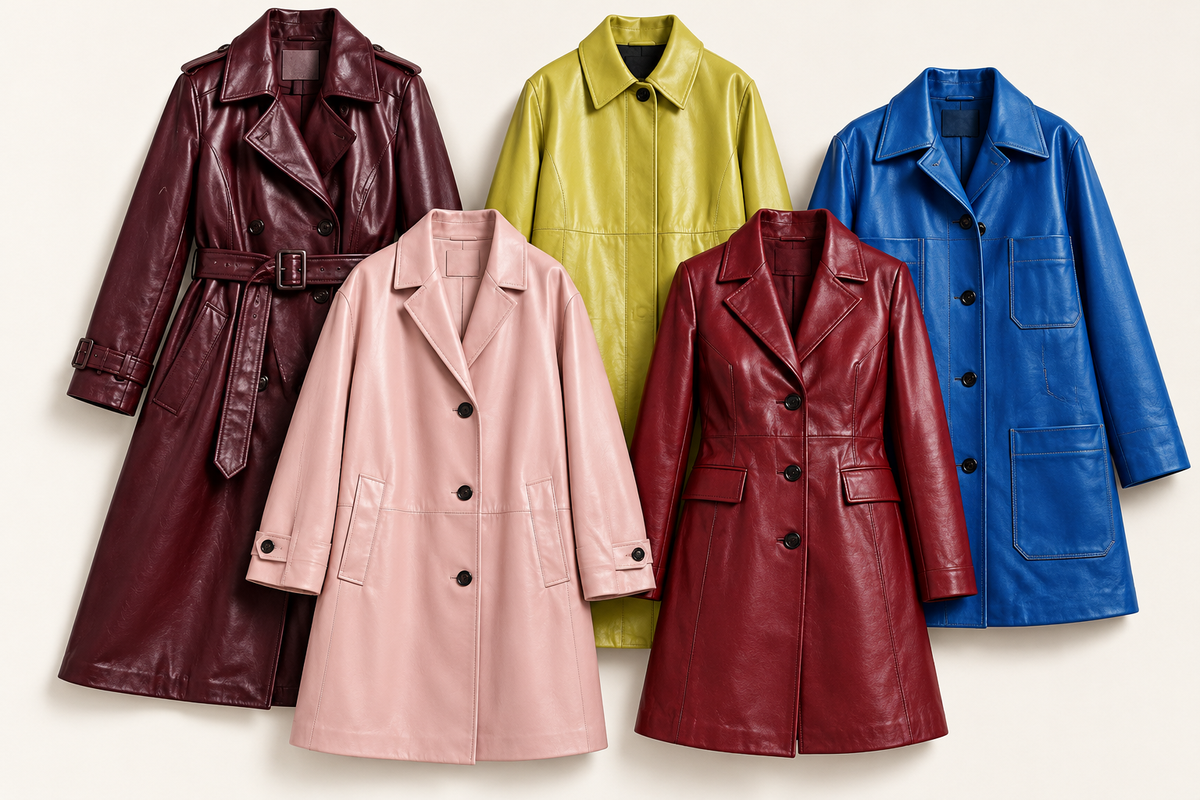
Black has long been the default colour for leather jackets, but autumn fashion is making room for alternatives. Burgundy, chocolate brown and warm cognac are appearing across cropped jackets, relaxed blousons and vintage-inspired silhouettes, offering a different approach to one of the wardrobe’s most familiar pieces.
The trend is particularly visible in street-style outfits that pair coloured leather with wide-leg trousers, simple knitwear and understated accessories. Rather than using the jacket to make an outfit look deliberately rebellious, wearers are treating it much like a blazer or lightweight coat.
Its shape remains recognisable, but the softer colours allow leather to sit more naturally alongside wool, denim and tailored fabrics.
Burgundy Is the Colour to Watch
Burgundy leather has become one of the most appealing alternatives to black. Its depth gives the material a rich finish, while its red undertones introduce colour without the intensity of brighter shades.
The colour works particularly well with grey tailoring. A burgundy leather jacket over a fine grey jumper and charcoal trousers creates a polished everyday outfit, especially when finished with black loafers or ankle boots.
Denim offers a more relaxed combination. Straight-leg blue jeans, a white T-shirt and a cropped burgundy jacket require little additional styling.
Chocolate brown, navy and cream also work well with burgundy, giving the colour considerable versatility across an autumn wardrobe.
The finish matters. Highly polished burgundy leather creates a sharper impression, while softer, lightly worn finishes look more casual.
The Appeal of Chocolate Brown
Chocolate brown is especially suited to women who favour neutral wardrobes but want an alternative to black.
Its warmer tone sits comfortably alongside cream, taupe, camel and dark denim. Brown leather also works well with autumn fabrics such as wool, corduroy and tweed, making it easy to combine with existing jackets, trousers and knitwear.
An oversized brown leather jacket worn with cream trousers and a fine-knit jumper creates a simple daytime outfit. With dark denim and a collared shirt, the same jacket becomes more relaxed.
Brown leather can also be worn with black, despite the old convention against combining the two colours. Black trousers, a black jumper and a dark chocolate jacket make a cohesive outfit, particularly when the accessories are understated.
For women who already own predominantly black outerwear, chocolate brown offers a noticeable change without requiring an entirely different colour palette.
Cognac and the Return of Vintage Leather
Cognac leather brings a different character to autumn dressing. Lighter and warmer than chocolate brown, it often recalls vintage jackets that have developed a natural patina through years of wear.
These shades suit relaxed silhouettes, especially blousons, bomber jackets and styles with prominent collars.
A cognac leather jacket works well over indigo denim and a simple cotton shirt. It can also be paired with dark brown trousers or a cream wool skirt for a more considered look.
The lighter colour tends to draw attention to the leather’s surface, including variations in grain and finish. On genuine leather, these characteristics can contribute to the jacket’s appearance, although they should not be confused with defects or poor construction.
Women who favour cooler colours may prefer burgundy or dark chocolate, while cognac generally works best with warmer neutrals.
Choose the Shape Before the Colour
Colour attracts attention, but the cut determines how often a jacket will be worn.
Cropped jackets suit high-waisted trousers and skirts, particularly when the fit is slightly boxy rather than tightly fitted. They can create a defined waistline without requiring a belt.
Relaxed blousons provide more room through the shoulders and body. They work particularly well with straight-leg jeans, tailored trousers and fine knitwear.
Classic biker jackets remain an option for those who prefer hardware, zips and more fitted silhouettes. Burgundy and brown versions can appear softer than traditional black styles.
Leather blazers offer a more formal alternative. With a clean lapel and minimal hardware, they can replace a conventional tailored jacket in outfits that do not require strict business dress.
Avoid buying an oversized style simply because it looks fashionable on a model. The shoulder construction, sleeve length and overall proportions should still suit the person wearing it.
Try the jacket over the type of knitwear or shirt you intend to wear most often. Leather that pulls across the shoulders or restricts movement is unlikely to become a comfortable everyday choice.
What Makes a Good Leather Jacket?
A leather jacket is often a substantial purchase, and price alone does not guarantee quality.
Lambskin generally feels softer and more supple, while cowhide can be thicker and more robust. Both vary in quality according to tanning, finishing and construction.
Examine the stitching, lining, zip and seams. A jacket should hang evenly when fastened, and the leather should move comfortably with the body rather than pulling excessively around the arms.
The surface finish also deserves attention. A heavily coated leather may conceal variations in the hide, while softer finishes can show marks more readily.
Suede offers another autumn option, particularly in chocolate and tobacco shades, although it requires different care and is more vulnerable to moisture and staining.
Leather alternatives have improved in appearance, but many use polyurethane coatings that may eventually crack or peel. Check the material composition rather than relying on descriptions such as vegan leather or leather-look.
Those shopping second-hand can often find well-made jackets with substantial leather and established finishes. Inspect the lining, cuffs, seams and areas around the pockets carefully, as these reveal much about previous wear.
How to Wear Coloured Leather This Autumn
A coloured leather jacket can be incorporated into several familiar outfits without changing the rest of the wardrobe.
For everyday dressing: A burgundy jacket, straight-leg jeans, white T-shirt and black loafers.
For work: A chocolate leather blazer, cream knitwear, tailored grey trousers and leather ankle boots, where the dress code permits.
For the weekend: A cognac blouson, dark denim, cotton shirt and flat boots.
For an evening out: A cropped burgundy jacket, black midi skirt and pointed heels.
Accessories need not match the jacket exactly. Brown leather can be paired with black shoes, while burgundy works with both black and dark brown handbags.
Buying a coloured leather jacket makes most sense when its shade already appears elsewhere in the wardrobe. Someone who frequently wears navy, grey and black may find burgundy especially easy to style; those whose clothes are predominantly cream, camel and brown may get more use from chocolate or cognac.
Black remains a classic, but coloured leather provides another way to wear a familiar garment. A well-chosen jacket can work with the clothes already in regular rotation, making it a wardrobe purchase rather than a short-lived experiment.