
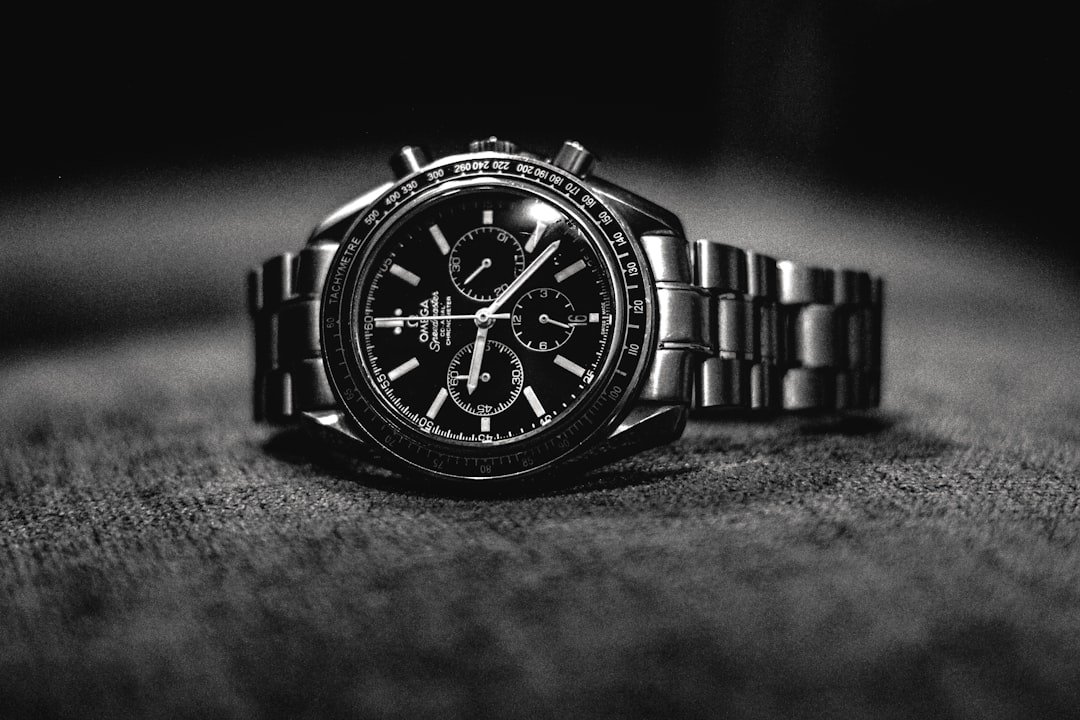
The Resurgence of Luxury Timepieces
A luxury watch occupies an unusual place in a modern wardrobe. It performs a function already handled more accurately by a phone, yet a well-chosen timepiece can add character to everything from a white shirt and jeans to evening tailoring. The appeal is not simply nostalgia or status. At its best, a watch is a durable, personal object that becomes more distinctive with wear, but choosing one requires more thought than buying into the latest waiting list or celebrity endorsement.
Why Watches Feel Relevant Again
Luxury watches have become increasingly visible in fashion, helped by the return of smaller accessories, interest in vintage design and a broader move away from conspicuous logos. A slim watch peeking from beneath a cuff can communicate style more quietly than an instantly recognisable handbag or heavily branded shoe.
That renewed visibility should not be confused with uninterrupted market growth. The Federation of the Swiss Watch Industry reported that Swiss watch exports declined in 2024 and edged down again in 2025, with weaker demand in parts of Asia. What has changed more clearly is how watches are being discovered and bought. Vintage dealers, specialist resale platforms and social media have made previously obscure references easier to find, while brands have increasingly revisited archival proportions and designs.
The pre-owned market is particularly important. Deloitte’s 2025 Swiss Watch Industry Study found that interest in second-hand watches was strongest among millennials and Generation Z, suggesting that younger consumers are not necessarily entering the category through the traditional boutique route. For some, an older watch offers better proportions, more individuality and a lower entry price than a comparable new model.
Start With How You Will Wear It
Before considering movements, complications or potential resale value, think about the clothes you actually own. The most useful watch is not necessarily the most technically impressive one, but the one that fits your daily wardrobe.
A simple steel watch with a restrained dial can work with tailoring, knitwear, denim and evening clothes. A leather strap usually feels softer and more formal, although the colour and finish matter: black can appear sharper, while brown, burgundy or taupe may sit more naturally with a relaxed wardrobe. Metal bracelets tend to be more practical in warm weather and can make a traditional design feel less precious.
Sport watches are often surprisingly versatile. A clean dive watch or understated chronograph can add structure to a blazer, trench coat or silk shirt, provided the case is not so large that it overwhelms the wrist. Conversely, an ornate diamond-set dress watch may be beautiful but less adaptable if most of your week is spent in casual clothes.
Consider your environment too. Someone who travels frequently, swims or dislikes removing jewellery may prioritise water resistance and a robust bracelet. Someone attending formal events may prefer a thinner watch that slips easily beneath a cuff. There is no universally correct style; the point is to avoid buying for an imagined life rather than your real one.
Size Matters More Than Trends
Watch sizing has moved away from the oversized cases that dominated parts of the market in the 2000s and 2010s. Smaller and mid-sized watches now feel increasingly contemporary, including designs once marketed specifically to men or women.
Diameter is only one part of the equation. The distance between the tips of the lugs, the thickness of the case, the shape of the bezel and the width of the strap all affect how large a watch appears. A 36mm watch with long lugs can occupy more wrist space than a compact 38mm model, while a dark dial may look visually smaller than a pale one.
This is why trying a watch on is more useful than relying on photographs or measurements alone. Look at it in a full-length mirror rather than judging only from a close-up of your wrist. A phone camera can distort proportions, particularly when held very close.
The right size should feel intentional without dominating your hand or catching constantly on clothing. Comfort matters because even the most beautiful watch will remain in its box if it is heavy, top-heavy or awkward to fasten.
Quartz Or Mechanical?
A quartz watch is powered by a battery or similar electrical system and is generally more accurate, less expensive to maintain and easier to leave unworn for long periods. A mechanical watch is powered by a spring-driven movement, wound manually or through the motion of the wrist.
Mechanical watches are often valued for their engineering, craftsmanship and emotional appeal rather than superior timekeeping. The movement may contain dozens or hundreds of small components, but complexity does not automatically make a watch better suited to daily life. Mechanical pieces require periodic servicing and may gain or lose time within tolerances considered normal for that movement.
Quartz should not be dismissed as an inferior choice. Several respected luxury houses have produced beautifully designed quartz watches, particularly in smaller or jewellery-led collections. For someone who wants a slim case, minimal maintenance and reliable accuracy, quartz may be the more intelligent option.
The question is whether you enjoy the ritual and engineering of a mechanical watch enough to accept the additional cost and care. Paying more for a movement you neither understand nor value is unnecessary.
Which Complications Are Useful?
A complication is any watch function beyond displaying the basic time. A date window is one of the most common, while chronographs incorporate a stopwatch function. GMT watches can show a second time zone, and annual or perpetual calendars track increasingly complex combinations of dates.
Complications can be technically impressive, but they often increase the price, thickness and potential servicing cost of a watch. A frequent traveller may genuinely use a GMT function. Someone who enjoys timing runs, cooking or meetings might appreciate a chronograph, although a phone will usually perform the task more precisely.
Moon phases, tourbillons and minute repeaters are better understood as expressions of craft and design than essential utilities. Buy them because you find them compelling, not because complexity is automatically more prestigious.
For a first luxury watch, a clear time-only design or simple date model is often the most versatile. It is easier to read, easier to style and less likely to feel visually dated.
Is A Smart Luxury Watch Worth It?
Luxury smartwatches occupy a different category from traditional mechanical pieces. Models such as the TAG Heuer Connected combine premium cases, interchangeable straps and brand design codes with digital displays, GPS and fitness functions.
They may suit someone who wants activity tracking and notifications without wearing a conventional technology product. However, they should be assessed more like premium electronics than heirloom watches. Batteries degrade, software support changes and digital components can become obsolete long before a mechanical case or bracelet wears out.
Think carefully before paying a substantial luxury premium for technology that may have a limited useful life. A standard smartwatch paired with a separate traditional watch may offer greater flexibility, particularly if fitness data matters more to you than the logo on the case.
Privacy deserves attention too. Review which health, location and behavioural information the device collects, whether third-party apps can access it and how easily tracking can be restricted. More data is not inherently more useful.
What Is Worth Paying For?
Spend first on a design you genuinely like, a case that feels comfortable and a seller you can trust. Finishing, dial quality, bracelet construction and movement reliability matter more than an elaborate brand story.
A properly engineered bracelet is one area where quality can be felt immediately. It should articulate smoothly, sit comfortably and allow enough adjustment for changes in wrist size during the day. A poorly balanced bracelet can make an otherwise attractive watch frustrating to wear.
Good after-sales support also has value. Before purchasing, ask how frequently the watch is likely to require servicing, where that work can be performed and what it typically involves. Servicing a complicated mechanical movement can be expensive, particularly if components must be returned to the manufacturer.
Paying for precious metal or gemstones is a personal aesthetic decision rather than a guarantee of better watchmaking. Similarly, an in-house movement may be interesting, but a well-tested movement supplied by a specialist manufacturer can be reliable and easier to maintain.
Where A Cheaper Option May Be Enough
You do not need to spend five figures to find attractive proportions, good materials and reliable construction. Established entry-level Swiss brands, smaller independent makers and Japanese manufacturers offer strong alternatives to the most heavily marketed luxury names.
A vintage watch can also provide distinction at a lower price, although condition is more important than a superficially attractive discount. Small dress watches from previous decades may work particularly well with contemporary tailoring and jewellery, but older pieces may have limited water resistance and require specialist servicing.
Changing the strap can transform a watch you already own. A polished leather strap, woven textile band or well-proportioned metal bracelet may make a relatively simple watch feel more considered. This is often a better first step than buying another timepiece simply because the current one no longer feels fresh.
Buying Pre-Owned
Pre-owned watches can offer access to discontinued models, smaller vintage proportions and prices below current retail. They also introduce additional risks, including counterfeit components, undisclosed repairs and watches assembled from parts belonging to different references.
Buy the seller before buying the watch. A credible dealer should be willing to explain the watch’s condition, service history, originality and return policy. Photographs should show the actual piece rather than generic product imagery, including the case, dial, bracelet, clasp and any visible identifying marks.
Original boxes and documents can support provenance, but they do not by themselves prove that the watch is authentic or that every component is correct. Conversely, an older watch without its original packaging may still be entirely genuine. Independent authentication or a manufacturer-backed certified pre-owned programme can offer reassurance, although it may increase the price. Rolex, for example, operates a certified pre-owned scheme through participating official retailers for eligible watches that are at least two years old.
Ask whether the case has been heavily polished, whether the dial or hands have been replaced and whether the bracelet has significant stretch or wear. Some collectors prefer untouched ageing, while others value a recently serviced watch with restored components. Neither approach is universally right, but the condition should be disclosed and reflected in the price.
Do Luxury Watches Hold Their Value?
Some watches have appreciated substantially, but treating a watch as a predictable investment is risky. Resale values depend on the brand, model, condition, originality, economic climate and changing collector preferences. Prices that rose sharply during periods of speculative demand can also fall.
The strongest resale performance tends to be concentrated in a relatively small number of references. That does not mean every watch from the same brand will appreciate, or even retain its retail price. Dealer margins, auction fees, servicing costs and insurance can further reduce any apparent gain.
Buy a watch primarily because you want to wear it. Resale value may be a reasonable secondary consideration, particularly when comparing two similar pieces, but it should not be used to rationalise a purchase that is otherwise unaffordable.
Limited editions require similar caution. Genuine rarity can be desirable, but the words “limited edition” do not automatically create long-term demand. A contrived collaboration produced in large numbers may prove less collectible than a standard model with an enduring design.
The Details To Check Before Buying
Confirm what the quoted water-resistance rating means in practice and whether it remains valid after servicing or strap changes. Water resistance is not permanent; seals can deteriorate and older watches may need pressure testing before being worn near water.
Ask about the warranty, expected servicing intervals and whether the manufacturer restricts access to replacement parts. Check the total price carefully when buying abroad, including taxes, customs charges and insurance.
For a pre-owned purchase, request a written description of the condition and included accessories. For a new watch, compare the experience and protection offered by an authorised retailer with any saving available through an unofficial dealer. Some manufacturers provide warranties only when the watch is sold through approved channels. Rolex, for example, states that new genuine watches are sold through its official jewellers and include an international five-year guarantee.
Finally, give yourself time. Try the watch more than once, view it in natural light and wear clothing similar to what you normally choose. A luxury watch should not require constant persuasion. The right one usually becomes clearer when the noise surrounding rarity, status and resale potential is removed.
A Better Way To Choose
Luxury watches remain compelling because they combine design, engineering and personal meaning in an object small enough to wear every day. Yet the most successful purchase is rarely the loudest, newest or most difficult to obtain. Choose the watch that suits your wrist, wardrobe and tolerance for maintenance, then buy it from a source able to stand behind its condition and authenticity. A timepiece worth owning should earn its place through years of wear, not through the promise that someone else may eventually pay more for it.


