
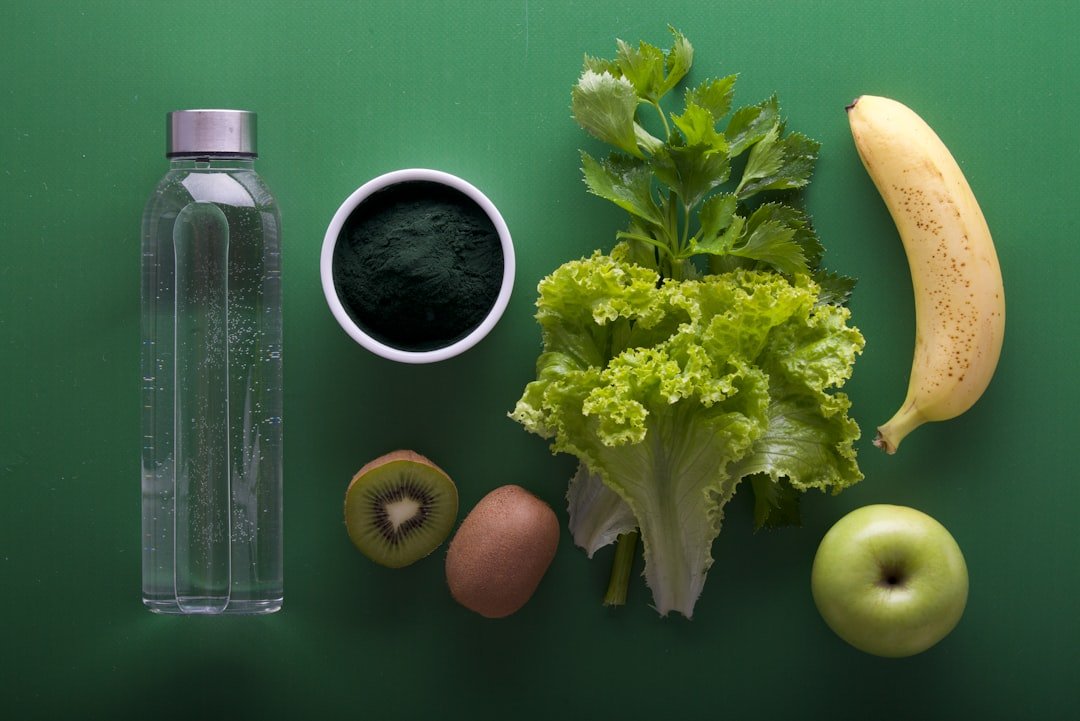
I Increased My Fiber Intake & Ditched Afternoon Cravings With This Tasty Drink
When hunger appears at 3pm, another coffee or a fruit-only smoothie may provide a temporary lift without keeping you satisfied for long. A more useful option combines fibre-rich fruit, seeds and oats with a source of protein, creating something closer to a balanced snack than a wellness drink. It will not eliminate every craving, but it can help bridge the gap between lunch and dinner while making it easier to increase a nutrient many adults do not consume in sufficient amounts.
Why Fibre Is Worth Paying Attention To
UK guidance recommends that adults work towards approximately 30g of fibre a day, yet many people fall short. Fibre is found in plant foods including vegetables, fruit, pulses, whole grains, nuts and seeds, and different varieties perform different functions within the body.
Soluble fibre, found in foods such as oats, beans, apples and seeds, interacts with water to form a gel-like substance during digestion. Insoluble fibre, present in foods including whole grains and many vegetables, adds bulk to stools and supports regular bowel function. Most fibre-rich foods contain a mixture of the two, which is one reason variety matters more than finding a single supposedly superior ingredient.
Diets containing sufficient fibre are associated with better digestive health and a lower risk of several long-term conditions. Fibre may also slow the digestion of a meal and contribute to fullness, but it should not be treated as an appetite suppressant. Hunger is influenced by the size and composition of earlier meals, sleep, stress, activity levels and the length of time before dinner.
Why Afternoon Cravings Happen
The afternoon dip is not always evidence that your body needs sugar. Sometimes lunch was simply too small or contained little protein, fibre or fat. A salad made largely from leaves, for example, may look substantial without providing enough energy to sustain an entire afternoon. Equally, a long gap between lunch and dinner can make hunger entirely appropriate.
Poor sleep may intensify appetite, while habit and environment also matter. If you routinely eat something sweet with tea at 3pm, the desire can appear at the expected time even when physical hunger is modest. Restricting food too aggressively earlier in the day can produce a stronger rebound later.
Before trying to suppress the craving, ask whether you are genuinely hungry. If the answer is yes, a planned snack is usually more constructive than attempting to distract yourself with water until dinner. The aim of a fibre-rich drink is not to avoid eating, but to create a snack with enough substance to be useful.
The Better Afternoon Smoothie Formula
The most satisfying smoothie is built rather than improvised. It needs fibre, but it also benefits from protein and enough volume to feel like a recognisable snack.
Start with a portion of whole fruit, such as berries, pear, apple or half a banana. Berries work particularly well because they provide flavour and fibre without making the drink excessively sweet. Frozen fruit is just as practical as fresh and can create a thicker texture without the need for ice cream or sweetened yoghurt.
Add one modest fibre-rich extra. This could be a tablespoon of chia seeds or ground flaxseed, or two to three tablespoons of oats. Using several large spoonfuls of seeds, oats and fibre powder at once is unnecessary, particularly if your usual diet is relatively low in fibre.
For protein, use plain Greek-style yoghurt, skyr, kefir, unsweetened soya yoghurt or milk. Plant-based alternatives vary considerably: soya products tend to contain more protein than almond, oat or coconut drinks, so check the label rather than assuming they are nutritionally interchangeable.
Finally, add water or milk until the consistency is drinkable. Cinnamon, fresh ginger, cocoa powder or vanilla can provide flavour without turning the smoothie into a dessert. Nut butter is optional. It adds richness and some protein, but it also makes the drink more energy-dense, which may or may not suit what you need.
A Simple Berry, Oat & Chia Smoothie
Blend the following until smooth:
- A generous handful of frozen berries
- Two tablespoons of porridge oats
- One tablespoon of chia seeds
- A portion of plain Greek-style yoghurt, skyr or unsweetened soya yoghurt
- Milk or water to reach the preferred consistency
- Cinnamon or vanilla, if desired
Allowing the mixture to stand for five minutes will give the chia seeds and oats time to absorb some liquid, creating a thicker drink. For someone unused to seeds or oats, begin with a smaller quantity and increase it gradually.
This recipe is intentionally adaptable. Use ground flaxseed instead of chia, or replace the berries with pear and cinnamon. The important distinction is that the whole ingredients are blended and retained rather than separated from their pulp.
Smoothie Or Juice?
Juice is not a reliable way to increase fibre. Juicing extracts liquid while leaving much of the fibrous material behind, making it easy to consume the sugars from several pieces of fruit very quickly. Even an unsweetened green juice may contain less fibre than its list of vegetables suggests.
A smoothie generally retains more of the original fruit or vegetable because the whole edible portion is blended. However, blending changes the structure of the food and makes it quicker to consume. A large commercial smoothie made with several portions of fruit, fruit juice, honey or syrup can contain substantial free sugar while being marketed as a health product.
For this reason, a homemade smoothie should not be an enormous mixture of fruit. Combining a moderate portion of fruit with oats or seeds and a protein-rich base produces a more balanced result. Whole fruit remains an excellent option and may feel more satisfying because it requires chewing and takes longer to eat.
Should You Add Greens?
Spinach can be blended into a smoothie without changing the flavour dramatically, while kale tends to be more noticeable and fibrous. Neither is essential. Adding a handful of leaves can contribute micronutrients, but it will not transform the drink into a complete serving of vegetables or compensate for a diet otherwise lacking in them.
There is also no need to conceal every nutritious food in a smoothie. Eating vegetables in recognisable forms at meals provides texture, variety and the experience of chewing, all of which contribute to how satisfying food feels. Use greens because you enjoy the result, not because a drink must appear green to qualify as healthy.
What About Psyllium Husk?
Psyllium is a concentrated soluble fibre commonly used in fibre supplements and bulk-forming laxatives. It can thicken a drink rapidly, but it is not the best casual addition for everyone. Taking too much before your digestive system has adapted may cause bloating, discomfort or changes in bowel habits.
It also needs to be consumed with adequate liquid. Because fibre supplements can affect how some medicines are absorbed, anyone taking regular medication should check the product instructions and seek advice from a pharmacist or healthcare professional when necessary. People with swallowing difficulties, persistent abdominal symptoms or certain gastrointestinal conditions should obtain individual guidance rather than experimenting with concentrated fibre.
For most people simply trying to improve an ordinary diet, increasing beans, lentils, whole grains, fruit, vegetables, nuts and seeds is a more useful first step. Supplements can solve particular problems, but they do not provide the full range of nutrients found in food.
What Is Worth Buying?
A powerful premium blender is unnecessary for a basic berry smoothie. A standard jug blender or competent stick blender is sufficient for soft fruit, yoghurt and oats. A more expensive model becomes worthwhile if you regularly blend frozen ingredients, nuts or tougher vegetables and find that a cheaper appliance leaves an unpleasant texture.
Frozen berries offer good value and reduce waste because only the required amount needs to be removed from the freezer. Plain yoghurt is generally more versatile than flavoured varieties, which can contain added sugar. Ordinary porridge oats work as well as products marketed specifically as smoothie boosters.
Single-serve sachets, “superfood” blends and fibre powders are usually poor value unless they provide a particular convenience you genuinely need. Chia and flaxseed are useful ingredients, but they do not need exotic branding. Ground flaxseed is easier to incorporate than whole seeds and should be stored according to the packet instructions to maintain freshness.
When A Drink Is Not The Best Answer
A smoothie may be convenient when eating at a desk, travelling or moving directly between appointments, but solid food can be more satisfying. An apple with yoghurt, wholegrain toast with hummus, or a small portion of nuts and fruit provides similar principles without requiring a blender.
If you repeatedly become very hungry in the afternoon, look first at lunch. Adding beans to soup, choosing wholegrain bread, including a source of protein or serving vegetables alongside the meal may address the problem more effectively than introducing a daily drink.
Persistent excessive hunger, unexplained weight change, significant digestive symptoms or major changes in appetite should not be managed solely through online nutrition advice. A doctor or registered dietitian can help determine whether there is an underlying issue or whether a more individual eating strategy is needed.
Increase Fibre Without Overdoing It
Moving abruptly from a low-fibre diet to large quantities of seeds, oats and raw vegetables may cause gas, bloating or abdominal discomfort. Increase intake over time and distribute fibre-rich foods across the day rather than attempting to reach the target in a single drink.
Fluid is important because fibre absorbs water. Water, milk and other unsweetened drinks can all contribute to hydration, although individual requirements vary with body size, activity, health and weather. Adding concentrated fibre while drinking very little is unlikely to improve digestion.
A fibre-rich smoothie can be a practical afternoon snack, particularly when it combines whole fruit, oats or seeds with a meaningful source of protein. It is not superior to eating the same foods whole, and juice should not be mistaken for a high-fibre equivalent. The most useful approach is to improve fibre intake across breakfast, lunch, dinner and snacks, using the drink when convenience makes it the option you are most likely to enjoy consistently.