
Why Branded Objects Are So Hard To Resist
Bialetti’s Squid Game moka pot makes very little sense. The series contains no memorable espresso scene, the product has no narrative role and the connection between a violent survival drama and an Italian coffee maker begins and ends with colour and logos.
That has not prevented the collaboration from working.
The moka pot is not meant to deepen anyone’s understanding of Squid Game. It gives fans a familiar object that carries a trace of something they already enjoy. The coffee will taste much the same as it does from the standard aluminium version. What changes is the small private pleasure of seeing the object on the stove.
Merchandising has moved far beyond concert T-shirts and souvenir mugs. Streaming platforms, fashion houses, beauty brands, food companies and homeware manufacturers now treat popular culture as a design archive. A successful film, artist or fictional character can be transferred onto almost anything: cookware, trainers, candles, bedding, lipstick, toys, luggage and kitchen appliances.
The most successful products do not always have the most coherent concept. They understand something simpler about the way people shop. We do not only buy for use. We buy to remember, identify, belong and play.
The product is ordinary; the feeling is not
A branded object rarely offers a meaningful functional improvement. A character-shaped biscuit tin does not preserve biscuits more effectively. A limited-edition water bottle does not improve hydration. A television-themed coffee maker does not produce better coffee.
The emotional value sits elsewhere.
The object can recall a favourite film, a holiday, a concert or a phase of life. It may connect the owner with a community of people who recognise the reference. It can also make an ordinary routine feel slightly less routine. Preparing coffee from a playful moka pot offers a different kind of pleasure from using an anonymous appliance, even though the practical result is identical.
Brands understand this well. Intellectual property gives a familiar product an instant personality without requiring the manufacturer to invent one from the beginning. The shape, logo, colour palette or character arrives with an existing audience and a network of associations already attached.
For the buyer, the calculation is equally efficient. There is no need to assess the object purely on design merit. Recognition shortens the decision. You like the series, the artist or the character; the product feels as though it belongs to you before you have considered whether you need it.
Fandom makes frivolity respectable
Most adults are trained to justify purchases. Clothes should be versatile, furniture durable and kitchen equipment useful. Even decorative objects increasingly arrive with claims about craftsmanship, investment value or sustainability.
Merchandise often dispenses with the pretence.
A Minions rug, a football-club doormat or a moka pot inspired by a dystopian drama does not need to present itself as essential. Its uselessness, or at least its lack of seriousness, forms part of its charm. The buyer is not claiming to have made the most rational choice. They are claiming the right to enjoy it.
Fandom provides social permission for that kind of spending. A decorative object can be dismissed as clutter; a limited piece linked to a beloved cultural property becomes a collectible. A standard sweatshirt may feel unremarkable; the same sweatshirt bearing a tour date, film reference or cult logo can become a record of identity.
The language changes with the object. We do not say that we bought another unnecessary mug. We say that we found the limited edition.
Collaborations no longer need a convincing story
Brand partnerships once tried hard to explain themselves. The companies involved needed shared values, complementary heritage or a plausible overlap between their audiences.
Contemporary collaborations are often more relaxed. Surprise can be more commercially useful than coherence. The question is no longer whether two brands naturally belong together, but whether seeing them together creates enough interest to stop the scroll.
The fashion industry has normalised this approach. Luxury houses collaborate with cartoon characters, sportswear companies borrow from films and beauty brands build collections around fictional worlds. Some partnerships are aesthetically intelligent. Others rely almost entirely on novelty.
The weaker collaborations disappear quickly. The stronger ones understand how to translate the original property into an object rather than merely print a logo onto it. Colour, shape, packaging and material can create a product that still looks appealing after the initial excitement has passed.
A well-designed collaboration can work for people who have only a loose connection to the source. A poor one depends on recognition alone.
The home has become another place to display identity
Merchandise used to be worn or displayed in private bedrooms. It now occupies kitchens, living rooms and carefully photographed shelves.
This reflects a broader change in interiors. Many homes are no longer designed around one perfectly consistent style. Personal collections, travel objects, books and humorous details sit beside more considered furniture. A deliberately unserious appliance or character-shaped lamp can prevent a polished room from feeling impersonal.
The appeal is particularly strong in objects used every day. A branded suitcase appears on occasional trips; a kettle, mug or coffee maker becomes part of the morning. Repetition strengthens attachment.
Kitchen collaborations also occupy a useful price category. They offer access to a cultural moment without requiring the cost of a designer handbag or limited trainer. The buyer receives something recognisable, displayable and nominally practical.
“Nominally” is doing some work here. Many limited objects are used carefully, if at all. They are bought as appliances and treated as collectibles.
Scarcity changes the way we judge the object
Limited availability makes an ordinary product feel more consequential. The purchase is no longer only about whether the item is worth its price. It becomes a decision about whether the opportunity will still exist next week.
Brands reinforce that pressure through numbered editions, restricted drops, seasonal packaging and collaborations available only through selected retailers. Resale markets can intensify it further, particularly when collectors begin treating merchandise as an asset rather than a possession.
Most branded objects will not appreciate in value. The possibility is enough to influence behaviour. A buyer can tell themselves that the object is collectible, rare or potentially resalable, even when the primary motive is emotional.
Scarcity also protects the object from ordinary comparison. The standard model may be cheaper and functionally identical, but the limited version is not being judged on function alone. Its price includes access to a story and the feeling of having secured something before it disappeared.
Sustainability becomes awkward very quickly
The merchandising model depends on producing new versions of objects people often already own. That creates an obvious tension with the language of responsible consumption.
A reusable bottle remains reusable, but replacing one reusable bottle with several limited editions does not automatically make the habit sustainable. The same applies to tote bags, mugs and other products presented as environmentally preferable because they can be used repeatedly.
Durability can still make a difference. A well-made moka pot used for years is a better proposition than a novelty object discarded once the cultural moment passes. Quality also determines whether merchandise becomes part of daily life or survives only as packaging in a cupboard.
The most convincing collaborations begin with an object worth owning before the branding is added. The design should make it more desirable, not provide the only reason it exists.
Buyers can apply the same test. Would you still want the product without the logo? Will you use it, display it or genuinely enjoy collecting it? Is it replacing something, or simply joining a series of similar purchases?
There is no requirement that every object justify itself through necessity. Pleasure has value. It becomes less persuasive when the product creates only a brief rush followed by storage.
Taste does not always need to be serious
The popularity of branded objects also reflects fatigue with highly controlled taste. Interiors, wardrobes and beauty routines are constantly presented as projects requiring cohesion and restraint. Merchandise introduces something instinctive.
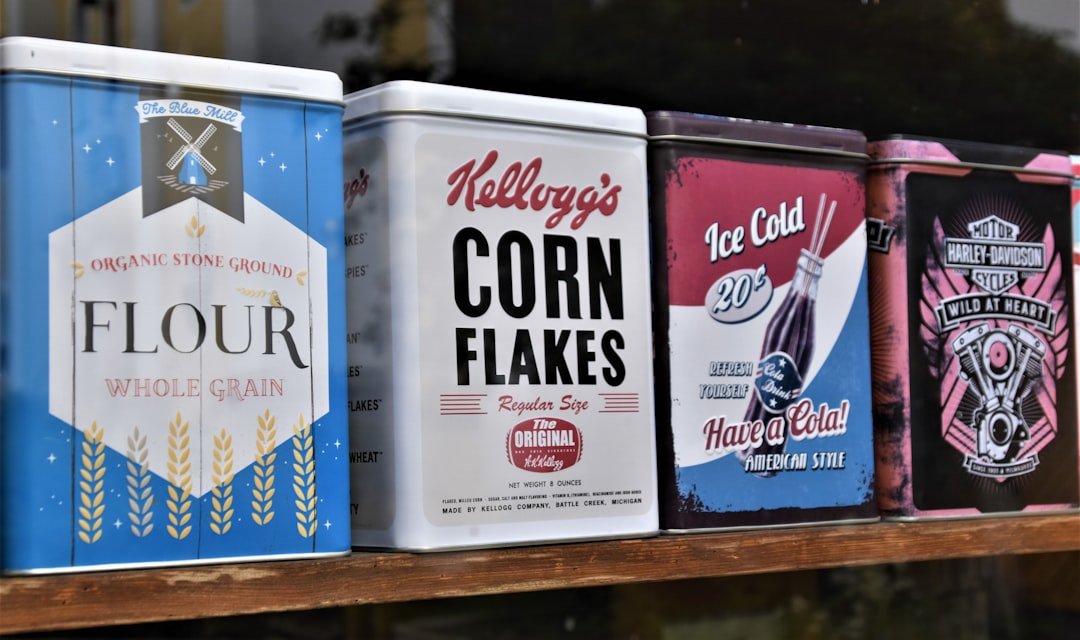
It allows adults to choose the pink appliance, the cartoon bag or the ridiculous biscuit tin without constructing an argument around timeless design. The purchase can be knowingly excessive, sentimental or childish.
That does not make it aesthetically careless. Mixing serious objects with one humorous reference can be more personal than following a complete design formula. The best pieces reveal something specific about the owner rather than simply demonstrating familiarity with current taste.
The risk appears when recognition replaces choice. Buying every collaboration associated with a favourite series is not self-expression; it is a subscription to someone else’s release calendar.
How to tell whether the novelty will last
A useful piece of merchandise usually succeeds on two levels. It works as an object and gives pleasure as a reference.
Consider whether the design will still appeal after the film, album or cultural moment has faded. Examine the quality of the underlying product, particularly when it involves electrical equipment, cookware or clothing. A famous logo does not improve poor construction.
Price deserves a clear look as well. Some mark-up is expected for licensing and limited production, but the difference between the standard and branded versions can reveal how much you are paying for recognition alone.
The final question is more personal: does the object belong in your life, or do you simply enjoy knowing it exists?
Sometimes the answer will still be to buy it. Not every possession needs to be optimised, investment-worthy or endlessly versatile. An object can earn its place through affection and humour.
Bialetti’s Squid Game moka pot does not need to explain why a murderous television contest belongs beside the morning coffee. The lack of logic is almost the point. It turns a familiar household ritual into a small act of fandom—and gives us a respectable excuse to want something we never needed.