
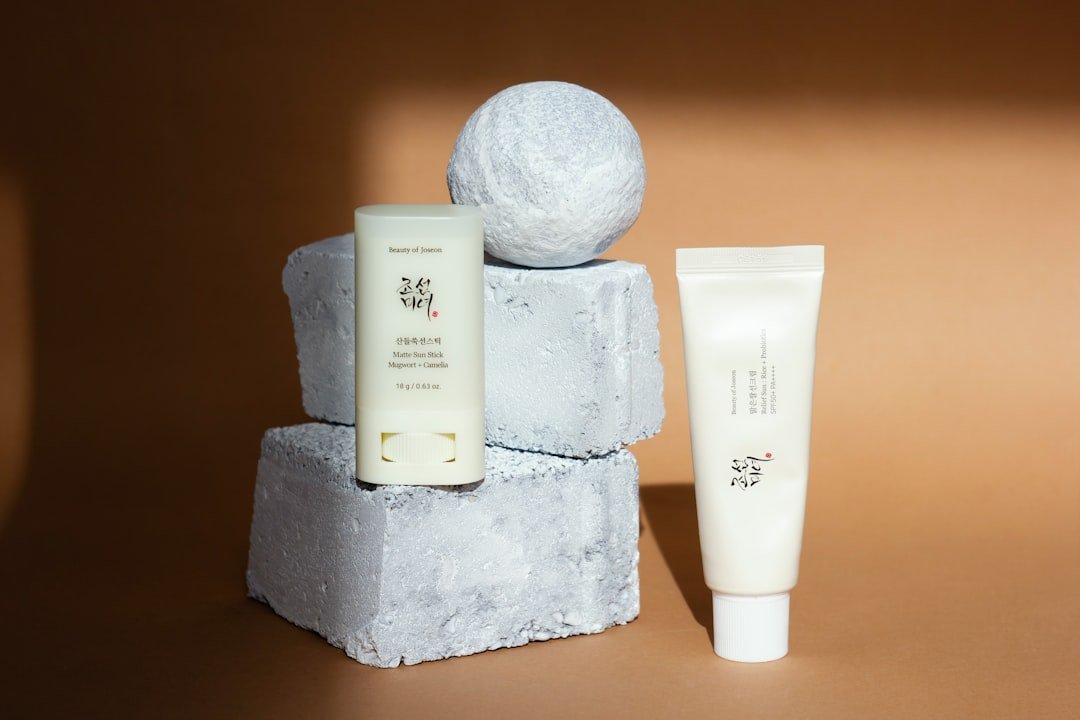
SPF Is Essential. Your Summer Skin Routine Should Not End There
The basic rules of sun protection have not changed. Wear a broad-spectrum sunscreen. Apply enough. Reapply it. Seek shade when the sun is strongest and use clothing, sunglasses and a hat to reduce direct exposure.
What has changed is the way skincare experts think about the rest of the routine.
Summer exposes skin to more than ultraviolet radiation. Heat, sweat, salt water, chlorine, air conditioning, travel and repeated cleansing can all weaken the barrier that keeps moisture in and irritants out. A routine filled with exfoliating acids and high-strength active ingredients may then leave the complexion less resilient precisely when it needs more support.
Sunscreen remains the principal protective product. Everything else should help the skin tolerate the season rather than create a false sense that internal nutrition, supplements or antioxidants can replace it.
Start With A Sunscreen You Will Actually Wear
The best sunscreen is not necessarily the product with the most elaborate formula. It is the one that provides appropriate broad-spectrum protection and can be applied generously enough to form an even film.
Texture matters because it influences behaviour. A heavy cream may suit dry skin but feel uncomfortable on an oily complexion. A fluid can sit well under make-up, while a water-resistant product is more appropriate for swimming, sport or heavy perspiration.
Apply sunscreen to all exposed areas, including the ears, neck, upper chest and hands. Hairlines and partings are easy to miss. The lips also need protection.
Morning application is only the beginning. Sunscreen wears away through touch, sweat, water and time. Reapply during prolonged outdoor exposure and after swimming or towelling. Make-up complicates this, but it does not change the need. A practical summer routine may involve lighter make-up or carrying a sunscreen that is easy to reapply.
No serum can compensate for a thin, uneven layer of SPF.
Physical Protection Does More Than Another Skincare Step
Skincare advertising often frames sun protection as a product problem. Behaviour can provide a larger reduction in exposure.
Shade, long sleeves, densely woven clothing, a wide-brimmed hat and sunglasses protect without relying on perfect application. They are particularly useful during long lunches, sightseeing, gardening and days spent near water, where reflected light can increase exposure.
The middle of the day generally brings stronger ultraviolet radiation, although the exact timing varies by season and location. Planning walks, exercise or outdoor tasks earlier or later can reduce the burden placed on sunscreen.
These measures work together. Sunscreen protects the areas clothing cannot cover. Clothing reduces the amount of skin requiring repeated application. Shade limits continuous direct exposure.
A layered strategy is more dependable than expecting one product to perform flawlessly in every condition.
Antioxidants Support The Routine, But They Do Not Replace It
Ultraviolet exposure contributes to the production of free radicals that can damage cellular structures and accelerate visible skin ageing. Topical antioxidants can support the skin’s defences, which is why vitamin C and related ingredients often appear in morning routines.
The formulation matters. Some antioxidant products remain stable and comfortable; others oxidise quickly or irritate sensitive skin. A high concentration is not automatically more effective for every user.
Apply an antioxidant serum beneath moisturiser and sunscreen when the skin tolerates it. People with reactive complexions may prefer a gentler derivative or use the product on alternate mornings.
Antioxidants should be understood as supporting actors. They may help address oxidative stress, but they cannot block ultraviolet rays in the way a properly formulated sunscreen does.
The same caution applies to oral supplements marketed for sun protection. Certain plant extracts and nutrients are being studied for their effect on the skin’s response to ultraviolet exposure. They are not oral sunscreen and should never be used to extend time in the sun.
Feed The Skin Through An Ordinary, Varied Diet
Summer nutrition can support the structures skin uses for repair and barrier maintenance.
Colourful fruit and vegetables provide vitamin C, carotenoids and a range of plant compounds. Tomatoes, watermelon, carrots, apricots and leafy greens contain pigments associated with antioxidant activity. Berries, cherries, grapes, herbs and olive oil contribute polyphenols. Fish, eggs, yoghurt, tofu, beans and lentils provide protein needed for continuous tissue renewal.
Oily fish supplies long-chain omega-3 fatty acids, while walnuts, chia and flax offer plant sources. Dietary fats also help the body absorb fat-soluble nutrients.
These foods contribute to general skin health when eaten regularly. They do not create immediate protection before a holiday or neutralise a day of unprotected exposure.
A Mediterranean-style pattern offers a more credible foundation than searching for one “sun-proofing” ingredient. The skin benefits from the overall diet, not a single fashionable supplement added in June.
People who are pregnant, breastfeeding, taking medication or managing a medical condition should discuss supplements with an appropriate professional rather than assuming that a beauty product is risk-free because it is available without prescription.
Hydration Is About More Than Drinking Water
Hot weather increases fluid loss, particularly during exercise or travel. Regular drinking supports the body’s overall hydration, but drinking excessive amounts does not turn dry skin into well-moisturised skin.
The skin barrier controls how efficiently the complexion retains water.
A moisturiser containing humectants can attract water into the upper layers of the skin. Emollients smooth rough spaces between skin cells. Occlusive ingredients reduce evaporation. Many effective formulas combine all three functions.
Water-rich foods such as cucumber, tomatoes, melon and peaches contribute to fluid intake. Electrolyte products may be useful after prolonged heavy sweating, although most ordinary days do not require a specialist drink.
Signs of dehydration, heat exhaustion or illness need more than skincare. Dizziness, confusion, weakness and persistent headache require cooling, fluids and medical attention when symptoms are severe or do not improve.
Protect The Barrier From An Overenthusiastic Routine
Summer can encourage more cleansing. Sweat, sunscreen, make-up and swimming all leave residue on the skin.
Cleansing is necessary, but repeated use of harsh foaming products can strip lipids from the barrier. Skin may then feel tight while also becoming more oily as the day progresses.
Use a cleanser strong enough to remove the day without leaving the face uncomfortable. A first cleanse can dissolve water-resistant sunscreen and make-up; a second gentle cleanse may be useful when residue remains. Scrubbing is not required.
This is also a sensible time to reconsider the number of active products in the routine. Retinoids, exfoliating acids, acne treatments and strong vitamin C formulas can all have a place, but stacking several irritants together may cause redness and sensitivity.
Reduce frequency when the skin begins to sting, peel or feel persistently hot. Replace some active nights with a simple moisturiser. Barrier-supporting ingredients such as ceramides, glycerine and squalane can help restore comfort.
A damaged barrier does not become stronger through further exfoliation.
Adjust After Swimming
Sea water and swimming pools affect skin differently, but both can leave it feeling dry.
Salt can draw water from the skin’s surface as it dries. Chlorinated water may irritate people with sensitive skin or eczema. Sitting in a wet swimsuit can also cause friction and discomfort.
Rinse with fresh water after swimming when possible. Pat rather than rub the skin dry and apply moisturiser while it is still slightly damp. Reapply water-resistant sunscreen before returning outside.
Hair and scalp need similar attention. Rinse salt and chlorine from the lengths, protect the scalp parting and use conditioner on hair that becomes brittle after repeated swimming.
The routine does not need to be luxurious. It needs to happen consistently enough to prevent several small exposures from accumulating into persistent irritation.
Treat A Sunburn As An Injury
A sunburn is not the beginning of a tan. It is an inflammatory response to excessive ultraviolet exposure.
Move out of the sun, cool the skin gently and use a bland moisturiser that does not contain fragrance or aggressive active ingredients. Drink fluids and avoid further exposure while the skin recovers.
Do not exfoliate peeling skin or apply strong acids and retinoids to the area. Blisters should not be deliberately broken.
Severe blistering, extensive burns, fever, nausea, dizziness or signs of dehydration require medical advice. Babies and young children need particular protection because their skin is more vulnerable and sunburn can become serious quickly.
Once the acute discomfort fades, protection remains important. Recently burned skin is not equipped to tolerate another period of intense exposure.
Do Not Ignore Changes In The Skin
Sun protection is partly about preventing premature ageing, but its medical purpose is more important.
Become familiar with existing moles and marks so that change is easier to recognise. A lesion that changes in size, shape, colour or sensation, repeatedly bleeds or fails to heal should be assessed by a qualified professional.
People with many moles, a history of significant sunburn, very fair skin or a personal or family history of skin cancer may need individual advice on surveillance and protection.
Skincare can improve comfort and appearance. It cannot diagnose a suspicious lesion.
Build A Routine That Survives Real Life
An elaborate summer routine is useless when it remains in the bathroom while the person spends the day outside.
Keep sunscreen near the front door or inside the bag used every day. Carry a hat rather than relying on finding shade. Place a spare product at work or in the car, although it should not remain in excessive heat. Choose travel sizes that meet the same protection standard as the full-size formula.
A reliable morning routine can remain simple: gentle cleanse, antioxidant if tolerated, moisturiser where needed and generous sunscreen. The evening can focus on removing sunscreen, restoring hydration and using treatment products selectively.
Summer skin does not need to be pushed towards constant radiance. It needs protection from ultraviolet exposure and enough barrier support to manage heat, water, travel and longer days outdoors.
SPF provides the essential first line. Good habits make that protection stronger.