The Little Luxuries We Keep Buying When Money Is Tight
From expensive matcha to designer candles and premium skincare, small indulgences have become a familiar part of everyday spending. Economists and marketers have a name for the behaviour, although the reasons behind it are more complicated.
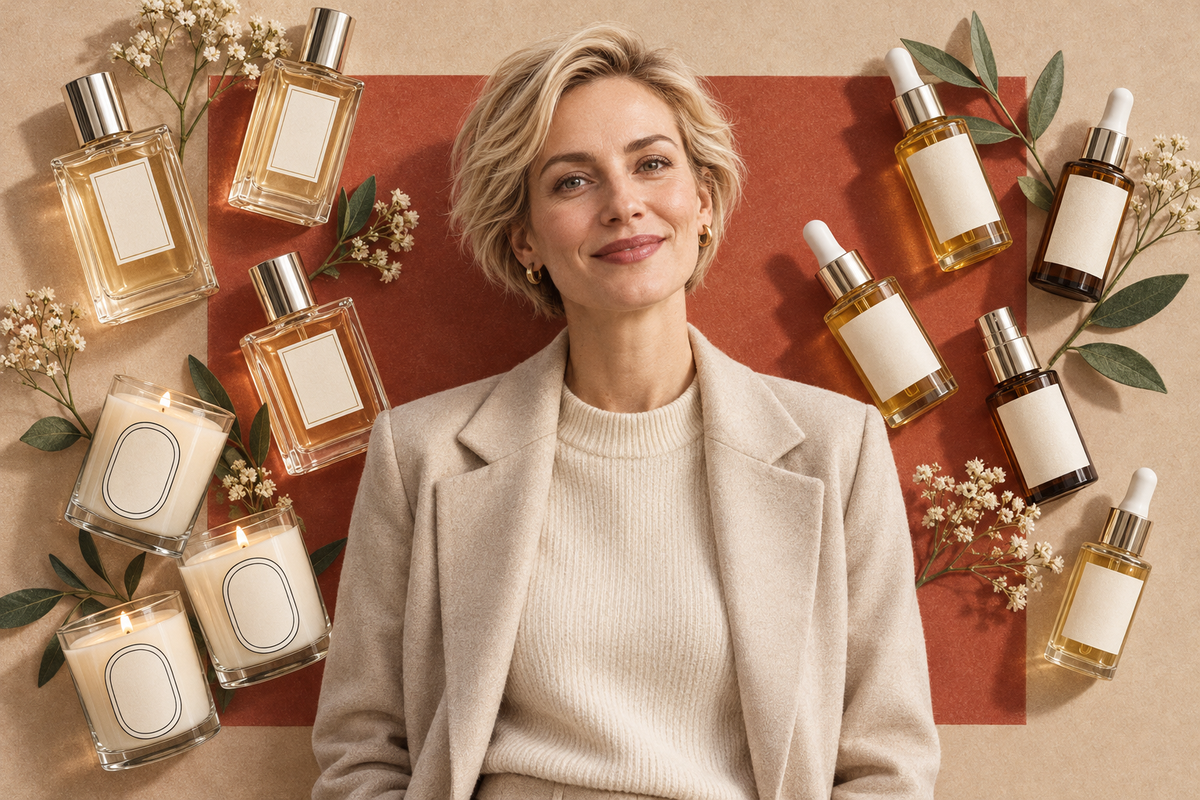
Consumers continue to spend on small luxuries even as higher living costs put pressure on household budgets and larger purchases become harder to afford. Premium coffees, scented candles, beauty treatments and designer toiletries offer a relatively affordable way to enjoy products and experiences usually associated with a more expensive lifestyle.
The purchases may appear modest individually, but their popularity tells us something about how people respond to financial uncertainty. When buying a home, replacing a car or booking an expensive holiday feels increasingly difficult, a CHF 40 candle or CHF 60 beauty product may still be affordable.
Marketing researchers have studied this behaviour for years. Known as the lipstick effect, it describes how consumers sometimes continue buying affordable luxuries during periods of economic difficulty, even while cutting back elsewhere.
The theory has attracted particular interest from beauty, wellness and lifestyle brands, which sell products that combine everyday use with pleasure, personal identity and a sense of reward.
The Lipstick Effect Is Nothing New
Leonard Lauder, the former chairman of Estée Lauder Companies, popularised the term in the early 2000s after noticing demand for lipstick during a period of economic weakness.
The idea was that women who could no longer justify more expensive purchases might still spend money on a premium lipstick. It offered some of the pleasure of luxury at a fraction of the price of a designer handbag or new wardrobe.
Research into consumer behaviour during the 2008 financial crisis later found that some women changed their spending priorities, with younger consumers increasing their expenditure on cosmetics while cutting back on clothing.
The pattern is not universal. Economic downturns affect households differently, and consumers may reduce spending on beauty products just as readily as they cut back on other non-essential purchases.
Nor does every popular lifestyle product qualify as an example of the lipstick effect. Changes in working arrangements, cultural preferences and social media can influence demand regardless of economic conditions.
Still, the theory offers one explanation for the appeal of small, premium purchases when consumers become more cautious about larger expenses.
Why Everyday Products Have Become More Expensive
Premium brands now sell ordinary household products with the same attention to packaging, fragrance, ingredients and design once reserved for more expensive goods.
A hand wash does not need to cost CHF 30 to clean effectively, but a carefully designed bottle, distinctive scent and fashionable brand can turn a routine purchase into something consumers enjoy displaying in their bathrooms.
The same principle applies to candles, speciality coffee, skincare and even bottled water.
For brands, these products offer a chance to reach customers who may not buy their most expensive collections. A scented candle or lipstick can introduce someone to a luxury house without the expense of buying a handbag.
Independent lifestyle companies have also built businesses around this market, charging premium prices for products that promise a more enjoyable experience rather than a fundamentally different function.
Customers do not judge these products on price and performance alone. Fragrance, design, convenience and personal enjoyment can all influence how much they are prepared to pay.
How Social Media Changes What We Want
A beautifully prepared matcha, an expensive hand soap or a carefully arranged skincare collection can become part of an aspirational lifestyle presented through short videos and photographs.
Products attract attention not only through advertising but also through repeated appearances in people’s homes, morning routines and shopping recommendations.
Hanna Schramm-Klein, professor of marketing at the University of Siegen, told SHEconomy that social media makes desirable products more visible, speeds up trends and encourages people to compare their purchases with those of others.
That helps explain why seemingly ordinary products can suddenly become fashionable. Their appeal depends partly on how they look, how they fit into a lifestyle and how often other people encounter them online.
Visibility does not necessarily mean widespread purchasing, however. A product that dominates social feeds may still account for a relatively small share of its wider market.
The popularity of matcha online, for example, should not be mistaken for evidence that it has replaced other everyday drinks.
Social media can make particular spending habits appear more common, and more necessary, than they really are.
When a Treat Becomes Self-Care
Beauty and wellness brands increasingly present everyday purchases as ways to look after yourself. A premium moisturiser becomes part of a skincare ritual, a speciality drink offers a moment of relaxation, and an expensive fitness class promises more than exercise.
These purchases can bring genuine enjoyment. But the way they are marketed may also make it easier to justify spending that would otherwise seem excessive.
For younger consumers in particular, the line between luxury and self-care has become less clear. Products that previous generations might have treated as occasional indulgences are increasingly becoming part of everyday routines.
There is also a financial reason for brands to encourage this change. A customer who buys a candle once a year represents a different business opportunity from someone who treats expensive home fragrance as a monthly necessity. When an occasional purchase becomes a regular habit, companies can expect more reliable sales.
Subscriptions, limited-edition collections and loyalty programmes can encourage this behaviour, particularly when customers worry about missing a product or promotion.
The difficulty for us is knowing whether they are paying for something they genuinely enjoy or simply repeating a habit that has gradually become automatic.
The Financial Cost of Small Indulgences
The cost of occasional treats depends on how often they are purchased, not just their price. A CHF 6 coffee purchased five times a week costs CHF 30. Over 50 weeks, that amounts to CHF 1’500. A CHF 45 beauty product bought every month adds another CHF 540 annually, bringing the combined expenditure to CHF 2’040 before any other non-essential purchases.
Neither expense is necessarily unreasonable. Someone who enjoys their daily coffee and comfortably meets their financial commitments may decide that the money is well spent.
The figures become more significant when several small habits add up without appearing as major transactions on a bank statement.
Contactless payments and mobile wallets make these purchases particularly convenient, while subscriptions mean customers no longer need to make a new spending decision each month.
Looking at spending over a longer period can show whether small luxuries account for a larger share of disposable income than expected. A monthly total often tells us more than the price of any individual purchase.
Enjoying Luxury Without Losing Sight of Your Budget
Managing money does not mean giving up every non-essential purchase. A budget that leaves no room for pleasure may be difficult to stick to, particularly when people are already balancing demanding jobs and family responsibilities.
Setting aside a specific amount for personal spending can offer more freedom than trying to justify every purchase separately.
Some people may prefer fewer, more expensive products they use regularly. Others may enjoy occasional experiences, such as a restaurant meal or beauty treatment, more than buying things.
It is also worth considering how much enjoyment a purchase provides over time. A candle that lasts for weeks may feel better value than several inexpensive items bought on impulse and rarely used.
Waiting before buying something discovered through social media can help people decide whether they genuinely want it or have simply been drawn into a trend.
The same applies to subscriptions and repeat purchases, where checking the total annual cost may lead to a different decision. Small luxuries are not necessarily bad financial choices. They become a problem when regular spending leaves less money for essential expenses, savings or longer-term plans.
The continuing popularity of premium everyday products reflects how successfully brands have learnt to sell small pleasures at prices many consumers can still afford. For buyers, the question is less about whether a CHF 30 hand wash is worth its price in purely practical terms and more about how much they are happy to spend on something they enjoy. A small luxury can remain a pleasure without becoming a regular expense.