Les sacs incontournables de l'automne 2026
Le sac à main miniature a passé plusieurs saisons à tester jusqu’où un accessoire pouvait rester fonctionnel avant de devenir essentiellement décoratif. L’automne 2026 s’oriente vers plus de praticité, car les créateurs redonnent du volume aux modèles sans pour autant revenir entièrement aux immenses cabas rigides qui, autrefois, transformaient les sacs de tous les jours en véritables bagages. Les formes les plus marquantes allient praticité et souplesse : les grands sacs à bandoulière épousent les contours du corps, les poignées supérieures se relâchent, les pochettes retrouvent une taille suffisante pour contenir de véritables effets personnels, tandis que le cuir riche ou les textures apportent l’intérêt visuel que procuraient auparavant les proportions minuscules.
Ce changement s'accorde parfaitement avec les garde-robes d'automne, car les vêtements plus épais ont besoin d'un accessoire suffisamment imposant pour les équilibrer. Un sac d'été délicat peut passer inaperçu à côté d'un long manteau en laine ou d'un costume ample, tandis qu'un modèle en cuir aux lignes affirmées apporte un point d'ancrage sans avoir besoin de couleurs vives ni de finitions voyantes.
Le sac « slouchy » a mûri
Les sacs souples ont progressivement remplacé les silhouettes aux lignes très structurées qui ont dominé le secteur des accessoires de luxe pendant des années, même si les modèles les plus récents semblent plus aboutis qu’un simple sac fourre-tout non doublé qui s’affaisse par hasard. Les créateurs utilisent du cuir souple pour créer des sacs dont la forme évolue lorsqu’on les porte, intégrant ainsi les plis et les mouvements au design même du sac.
Les meilleurs modèles présentent toujours suffisamment de structure au niveau du fond, de la bandoulière ou de l'ouverture pour ne pas donner une impression d'inachevé. Cet équilibre les rend particulièrement faciles à assortir avec des vêtements sur mesure, car un sac aux lignes décontractées adoucit un blazer ou un manteau long sans pour autant donner à la tenue un aspect trop décontracté.
Des dimensions plus généreuses s'imposent également dans la vie de tous les jours. Un sac pouvant contenir un ordinateur portable, une trousse de maquillage, des lunettes de soleil et le vêtement supplémentaire que l'on emporte inévitablement en automne trouve plus facilement sa place qu'un autre modèle miniature qui nécessite un deuxième sac. Le côté pratique fait désormais partie intégrante de l'esthétique, plutôt que d'en être exclu.
Les poignées sur le dessus font leur retour, mais sans leur côté guindé
Un sac compact à poignée supérieure évoque généralement une tenue soignée et parfaitement coordonnée ; pourtant, les modèles de l'automne 2026 semblent moins formels, car les créateurs associent cette poignée à des formes plus souples et à des textures plus riches. La silhouette invite toujours à être portée avec intention plutôt qu’en bandoulière, ce qui donne immédiatement un air plus soigné à une tenue simple.
Ce petit changement dans la façon de porter un sac a une incidence sur l'ensemble de la tenue. Les bandoulières permettent d'avoir les mains libres, tandis que le fait de tenir un sac près de la jambe crée une ligne plus épurée et confère à l'accessoire une plus grande autonomie visuelle par rapport aux vêtements.
Les modèles les plus simples évitent les détails trop « féminins ». Une poignée en cuir sobre, une fermeture pratique et un volume suffisant pour accueillir les affaires de tous les jours permettent à ce modèle de s'accorder aussi bien avec un jean ou un pull qu'avec une robe.
La Bourgogne s'est stabilisée en territoire neutre
Le bordeaux fait son retour presque chaque automne, mais son succès actuel tient au fait qu'il s'associe désormais tout naturellement aux tons neutres traditionnels. Un sac d'un bordeaux profond se marie parfaitement avec le gris, le camel, le bleu marine, le chocolat, le bleu pâle et le noir, tout en apportant à ces associations davantage de profondeur qu'un autre accessoire noir ne le ferait.
Cette couleur s'avère particulièrement utile pour le cuir, car les variations naturelles et l'usure l'empêchent de paraître terne. Les teintes « oxblood » et les nuances de cerise plus foncées peuvent presque passer pour du marron vues de loin, tandis que le bordeaux plus vif crée davantage de contraste sans pour autant être difficile à assortir.
Pour celles qui souhaitent s'offrir un nouveau sac cette saison, le bordeaux peut donc être considéré comme un choix pratique plutôt qu'audacieux. Il apporte une touche de couleur tout en s'accordant parfaitement avec les manteaux, les chaussures et les pulls qui composent déjà la plupart des garde-robes d'automne.
Les pochettes disparaissent des tenues de soirée
La pochette fait son grand retour en journée, même si les modèles les plus imposants n’ont plus grand-chose à voir avec les minuscules pochettes de soirée conçues pour accueillir un rouge à lèvres et un porte-cartes. Elles sont plus longues, plus souples et souvent assez grandes pour se glisser sous le bras, ce qui leur confère une allure décontractée qui s’accorde parfaitement avec les tenues de jour.
Le porter demande un peu plus d’engagement, car il occupe une main ou un bras, et c’est précisément pour cette raison qu’il se démarque après des années d’omniprésence des sacs à bandoulière. Ce geste fait de cet accessoire un élément à part entière du look, plutôt qu’un simple contenant rattaché à la tenue.
Le cuir souple et le daim rendent les pochettes de jour particulièrement séduisantes, car ces matières leur évitent d'avoir un aspect trop formel. Associée à un pantalon large, un pull en maille et des chaussures plates, cette pochette apporte une touche d'élégance sans pour autant donner l'impression que celle qui la porte s'apprête à se rendre à une soirée.
La texture joue un rôle de plus en plus important
Lorsque les formes se simplifient, les matières prennent le devant de la scène. Les sacs de la collection Automne 2026 misent sur le daim, les finitions effet crocodile, le cuir brillant, les surfaces tissées et d’autres traitements tactiles pour donner un nouveau visage à des silhouettes familières, sans pour autant en altérer les proportions.
Le daim se marie particulièrement bien avec les grands sacs, car sa douceur renforce leur style décontracté, tandis que le cuir à effet croco apporte une touche plus habillée aux sacs à poignées supérieures compacts et aux pochettes. Associer une texture marquée à une forme épurée permet généralement d’obtenir une pièce plus intemporelle que de combiner à la fois une matière inhabituelle, une couleur originale et une surabondance d’accessoires métalliques.
Les textures permettent également de s'adapter progressivement aux tenues d'automne avant que le temps ne change définitivement. Un sac en daim associé à une chemise et un pantalon en coton permet d'aborder la saison sans avoir à porter de gros pulls fin août ou début septembre.
Le matériel informatique revient sur le devant de la scène
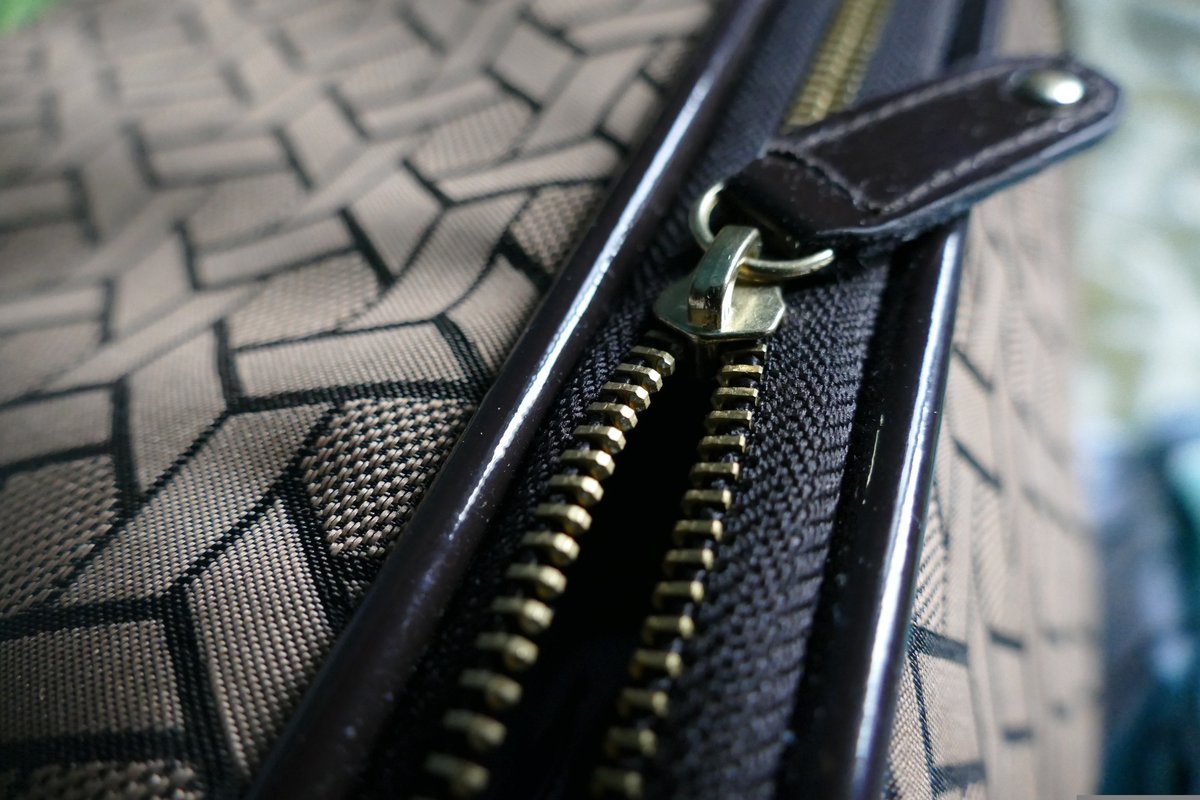
Depuis plusieurs années, les fermetures discrètes s'inscrivent dans une tendance plus générale vers un luxe sobre. Les éléments de quincaillerie sont désormais mis davantage en valeur grâce à des fermetures éclair apparentes, des boucles et des structures métalliques qui contribuent à la forme du vêtement plutôt que de s'y fondre.
Les pièces les plus réussies évitent toutefois de transformer chaque élément de fixation en simple élément décoratif. Une fermeture éclair apparente peut rehausser un sac aux lignes douces, tandis qu’une boucle imposante suffit à donner du caractère à un modèle simple muni d’une poignée sur le dessus. Lorsque les éléments métalliques deviennent le seul élément qui attire le regard, le look commence à paraître démodé bien plus rapidement.
L'argent et les métaux aux teintes plus chaudes peuvent tous deux convenir, car la tendance générale privilégie la structure plutôt qu'une finition bien précise. Il est également devenu moins nécessaire d'assortir parfaitement les bijoux aux finitions métalliques des sacs à main, les garde-robes s'éloignant désormais d'une coordination trop rigide.
Le sac pratique est de nouveau à la mode
Ce qui est le plus attrayant dans À l'automne 2026 La tendance actuelle en matière de sacs à main se caractérise par le fait qu’il n’est plus nécessaire de faire des sacrifices pour cet accessoire. Les grands sacs permettent de transporter toutes ses affaires, les poignées supérieures offrent suffisamment d’espace pour une utilisation confortable, et même la pochette a désormais des dimensions pratiques.
Cela ne signifie pas pour autant que chaque sac doive abriter tout un bureau. Les proportions doivent toujours être adaptées à la personne qui le porte et à sa tenue ; ainsi, quelqu’un qui ne transporte que très peu d’affaires trouvera sans doute un sac à poignées moyennes bien plus pratique qu’un cabas surdimensionné. L’essentiel est que la mode ait élargi l’éventail des formes séduisantes, plutôt que de reléguer l’aspect pratique dans une catégorie à part.
Avant d'acheter quoi que ce soit de nouveau, il vaut la peine de jeter un coup d'œil à sa garde-robe actuelle. Un sac en cuir souple qui semblait un peu informe il y a deux ans peut désormais paraître parfaitement adapté, tandis qu'un sac à poignées bordeaux ou une pochette plus grande peuvent refaire leur apparition sans nécessiter la moindre retouche. Les sacs résistent exceptionnellement bien aux cycles des tendances, car les belles matières et les formes reconnaissables acquièrent du caractère au lieu de simplement vieillir.
L'automne 2026 offre donc moins de raisons de se précipiter sur un « It bag » incontournable et davantage de raisons de choisir la silhouette qui correspond le mieux à son mode de vie. La douceur, les textures et les dimensions plus généreuses ont changé la donne, mais le meilleur achat restera toujours le sac qui se fait plus beau à mesure qu’il porte les traces de son utilisation.