
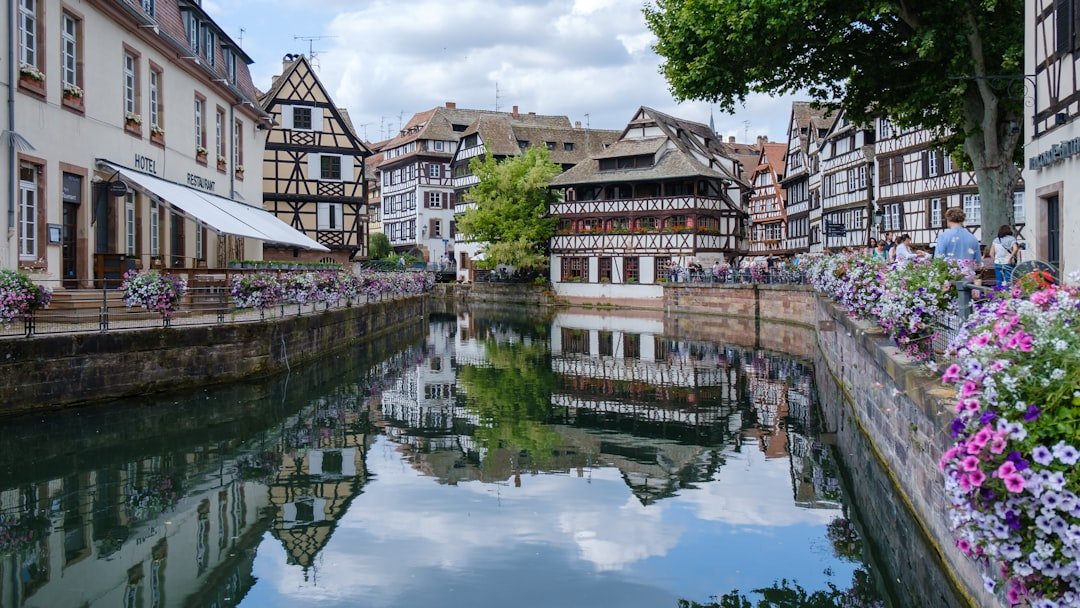
The Renaissance of Historic City Quarters
The resurgence of historic city quarters across the globe represents a confluence of preservation and innovation, where the charm of ancient architecture meets the vibrancy of modern lifestyle. This transformation has turned these areas into cultural and social hubs, offering unique experiences to locals and travelers alike. This article delves into the economic and social benefits of such revitalizations, showcasing how they are shaping the future of urban living and travel.
Introduction to Urban Revitalization
Urban revitalization of historic city quarters is not just about preserving the past; it’s a forward-looking approach that injects new life into old bones. These areas, once perhaps neglected or underappreciated, are now celebrated as vibrant cultural hotspots. The blend of traditional and contemporary elements fosters a unique ambiance that attracts a diverse crowd, from culturally inclined tourists to urban dwellers seeking a taste of their city’s historical roots.
Case Studies of Success
- Europe’s Alfama District: A model of cultural preservation and modern living
- Asia’s Bukchon Hanok Village: Tradition meets contemporary lifestyle
- The Americas’ Old Montreal: Revitalization through arts and commerce
These examples highlight the successful integration of the old with the new, demonstrating significant economic and social benefits. The revitalization efforts have not only preserved the architectural heritage but also stimulated local economies by attracting tourism and encouraging local enterprises.
Economic and Social Benefits
Revitalized historic quarters have proven to be powerful engines for local economies, driving tourism, creating jobs, and fostering a sense of community. They serve as cultural hotspots that promote an understanding and appreciation of the area’s historical significance, while also offering contemporary amenities and experiences.
Insights from Experts
“The revival of historic city quarters is a testament to our ability to honor our past while embracing the future,” says urban development scholar Dr. Lena Morris. “These spaces are not just preserved; they are reimagined as living, breathing parts of the modern city.”
Future Outlook
The trend towards the revitalization of historic city quarters is shaping the future of urban living and travel. By balancing preservation with innovation, cities can maintain their cultural heritage while adapting to contemporary needs. This approach promises to enrich urban life for future generations, ensuring that historic quarters remain vibrant and relevant.
Conclusion by Hayenne
The renaissance of historic city quarters around the world is a celebration of cultural heritage and modern innovation. As cities continue to find harmony between the old and the new, these areas will remain essential to the urban fabric, offering spaces that are not only historically significant but also full of life and vitality.
- Introduction to revitalization
- Success case studies
- Economic and social benefits
- Expert insights
- Future outlook and conclusion
Discover the transformative resurgence of historic city quarters into vibrant cultural hotspots, where ancient architecture and modern lifestyle blend to shape urban living and travel.