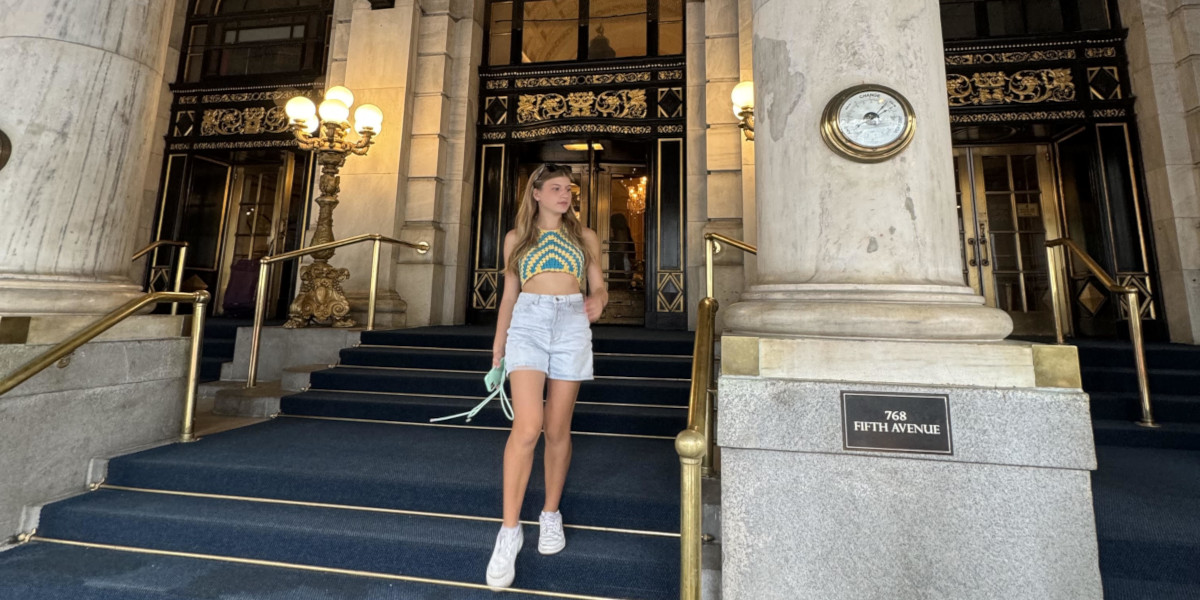
What The Fifth Avenue Hotel Tells Us About the Hotels Worth Watching Now
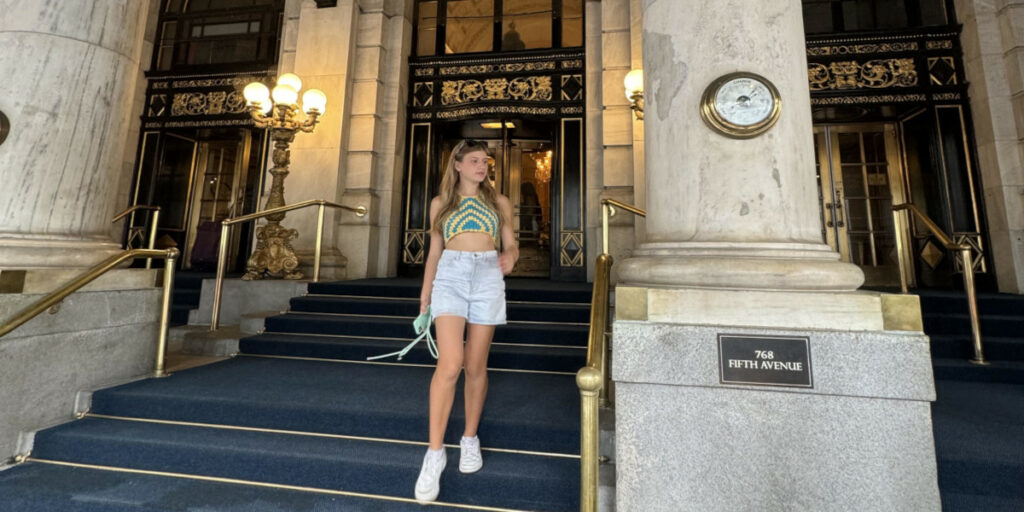
The Fifth Avenue Hotel has been named the American Express Travel One To Watch ahead of The World’s 50 Best Hotels 2026 awards. The prize goes to a property the organisation believes could enter its main 1–50 ranking in a future year.
What stands out is how quickly a hotel that opened only in 2023 has gained this level of attention.
The answer is not one new amenity or an extravagant suite. The Fifth Avenue Hotel has been built around a very definite idea of what staying there should feel like, and that idea reaches from the building and interiors to its restaurant, bar, art and small rituals in the rooms.
It occupies part of the site of an 1856 mansion commissioned by New York hostess Charlotte Goodridge. The historic building was later turned into a Renaissance-style palazzo by McKim, Mead & White, while a new 24-storey tower now stands beside it and contains most of the hotel’s 153 rooms.
Owner Alex Ohebshalom spent more than a decade developing the property. Rather than making the old building and the new tower look as though they came from the same period, the hotel keeps the difference visible.
Inside, Martin Brudnizki Design Studio went in the opposite direction to the beige and pale-stone interiors that became common in luxury hotels during the past decade. Floral fabrics, dark woods, patterned walls, Murano glass, painted furniture and more than 700 works of art fill the property.
The design has a backstory too. Ohebshalom used the idea of the flâneur, the 19th-century figure who wandered cities observing their streets and culture, as one of the references for the hotel. The interiors were conceived almost as the home of a well-travelled collector rather than as a collection of matching hotel rooms.
Some details took an unusual amount of work. Fabric ruching used in parts of the hotel had to be made using a technique now practised by relatively few craftspeople. Decorative room dividers in the mansion suites took around a year to engineer. The hotel spent another year and a half developing its own fragrance with French perfumer Mane.
None of those things alone explains an award. Together, however, they reveal several features that are increasingly worth looking for when judging a hotel before booking it.
Look for a hotel with an actual point of view
A lot of expensive hotels are easy to like and difficult to remember. The materials are good, the bed is comfortable and everything has been chosen not to offend anyone.
The Fifth Avenue Hotel has taken the opposite risk. Someone who dislikes pattern, colour and decorative interiors may not like it at all.
That clarity is part of what distinguishes it.
When looking at another hotel, the photographs can tell you more than whether the rooms appear attractive. Check whether you can understand what the hotel is trying to be. Does the lobby look related to the rooms? Does the restaurant belong to the same place? Could you recognise the property from one photograph without seeing its logo?
A strong hotel does not necessarily need maximalist interiors. A very restrained Japanese inn, an Alpine hotel built around local materials or a small Mediterranean property can have just as clear an identity. The test is whether the decisions appear intentional rather than assembled from the current luxury-hotel catalogue.
Check what has been preserved rather than simply what is old
Historic buildings are frequently used as part of hotel marketing, although the connection between the finished hotel and the original property can be surprisingly thin.
At The Fifth Avenue Hotel, the restoration involved original architectural details from McKim, Mead & White alongside the construction of the new tower.
For another hotel, look beyond phrases such as historic building, heritage property or former palace. Find out what remains. Original rooms, staircases, façades, craftsmanship and furniture tell you more than the age printed in the hotel description.
There is also no rule that a successful restoration must reproduce the past everywhere. The New York property works with an old mansion and a contemporary tower rather than disguising the addition as something built 150 years ago.
Pay attention to what happens outside the bedroom
Café Carmellini, led by chef Andrew Carmellini, and The Portrait Bar form a large part of The Fifth Avenue Hotel’s identity. Both attract people who are not staying upstairs.
That is often a good sign.
Hotel restaurants and bars used to be treated rather routinely in many properties. Increasingly, the better ones have to compete with independent restaurants in the same city. A restaurant that locals willingly book changes the atmosphere of the hotel and gives guests somewhere they might genuinely have chosen even if they were staying elsewhere.
The same applies to public rooms. The Fifth Avenue Hotel has lounges, artwork and spaces intended to be occupied rather than simply walked through on the way to a lift.
Before booking elsewhere, check the restaurant separately from the hotel. Look at its menu, reviews and whether local publications cover it on its own merits. Do the same with the bar. It quickly shows whether food and drink are central to the property or simply expected facilities.
Small rituals can tell you more than the amenity list
The Fifth Avenue Hotel has an in-room martini service. The Portrait Bar serves everything-bagel-seasoned popcorn with drinks. Its own fragrance appears throughout the property.
These are minor details compared with room size, location or service, but they tell you how much thought has gone into the stay.
Other good hotels may do something entirely different. A ski hotel might prepare boots overnight. A country property may bring breakfast from its own farm. A Japanese hotel might make the bathing ritual central to the day.
The better question when researching a hotel is therefore not how many amenities it has. Look for things guests repeatedly mention without being prompted. They are often the parts people remember after the standard five-star features have blurred together.
See whether the hotel belongs to its city
The Fifth Avenue Hotel could only plausibly exist in New York. Its Gilded Age building, art, theatrical interiors, restaurant culture and even the everything-bagel reference tie it back to the city.
That sounds obvious, but international luxury has spent years making very different destinations look remarkably similar.
A beautiful hotel in Rome, Marrakech, Copenhagen or Bangkok should give you some evidence of where you have arrived. That does not require clichés or rooms filled with local souvenirs. Architecture, materials, food, art and the people using the public spaces can do it much more quietly.
When a hotel could be moved to another continent without much changing, the nightly rate is paying mainly for service, location and hardware. Sometimes that is exactly what a traveller wants. For a trip where the hotel is intended to become part of the experience, there are better places to look.
Awards are a lead, not a verdict
The American Express Travel One To Watch title does not mean The Fifth Avenue Hotel will enter The World’s 50 Best Hotels list. It identifies the property as one the organisation believes has that potential.
There are already other signs that attention is building around it. Travel + Leisure readers ranked it the best hotel in New York City in both 2025 and 2026, and it has received two Michelin Keys.
Awards still need to be read carefully. Some judge design, others service, reader preference, sustainability or the overall stay. A hotel winning one category may tell you little about whether it suits the way you travel.
They are better used for discovery. A new name appearing repeatedly across different awards, reviews and specialist hotel coverage deserves a closer look. Then ignore the trophies for a moment and examine the property itself: what it has preserved, who designed it, how the restaurant performs, what previous guests keep talking about and whether there is a coherent idea running through the whole place.
The Fifth Avenue Hotel passes enough of those tests to explain why it has moved onto the 2026 watchlist so quickly. And it gives travellers a fairly good checklist for finding the next one before everybody else does.